
Gainesville VA Traffic Lawyer
 Our Gainesville traffic attorneys represent motorists facing traffic violations and criminal driving offenses arising in Gainesville, Virginia. We defend clients charged with DUI / DWI, reckless driving, speeding tickets, driving on a suspended or revoked license, accident-related offenses, and other serious traffic violations. Depending on the charge, a conviction may result in fines, DMV demerit points, increased insurance costs, loss of driving privileges, or criminal penalties. Traffic cases in the Gainesville area may arise from stops along Interstate 66, U.S. Route 29, Linton Hall Road, Wellington Road, University Boulevard, Heathcote Boulevard, or roads serving Gainesville’s residential neighborhoods and commercial destinations. The I-66 / Route 29 interchange at Exit 43 and the surrounding shopping and commuter corridors carry motorists who live, work, shop, and travel through Gainesville. Our attorneys review the Virginia Uniform Summons or warrant, officer observations, available video, speed-measurement or chemical-testing evidence when applicable, the driver’s record, and the court handling the case. We evaluate the evidence and applicable Virginia law to identify potential defenses, prepare for court, and pursue an appropriate resolution based on the individual circumstances.







Gainesville Traffic Defense Guide
Gainesville Defense Services
- Prince William County VA Criminal Defense Lawyer
- Prince William County VA Traffic Lawyer
- Prince William County VA DUI / DWI Lawyer
- Prince William County VA Reckless Driving Lawyer
- Prince William County VA Speeding Ticket Lawyer
For broader statewide guidance, see our Virginia Traffic Lawyers page.
Traffic Defense Representation in Gainesville
 Traffic charges arising in Gainesville range from ordinary moving violations to serious criminal traffic offenses. A case may begin with a Virginia Uniform Summons, an arrest, a traffic stop, or an accident investigation. The charge may involve speeding on Route 29, alleged reckless driving on Interstate 66, a DUI investigation along Linton Hall Road, or another traffic violation on a local roadway. Our attorneys represent motorists facing traffic charges arising in Gainesville, including residents, commuters, visitors, and drivers traveling through the area. We review the exact code section, summons or warrant, officer observations, driving record, speed-measurement evidence when applicable, body-camera or cruiser video, accident information, witness accounts, and other circumstances relevant to the defense. The appropriate strategy depends on the particular allegation. DUI / DWI cases involve different legal and evidentiary issues from reckless driving, ordinary speeding tickets, suspended-license offenses, and accident-related traffic charges.
Gainesville Traffic Defense Client Reviews

Traffic Charges We Defend in Gainesville
Traffic cases arising in Gainesville may involve infractions, misdemeanors, or felony allegations. Potential consequences vary depending on the charged statute, alleged conduct, prior driving history, and other circumstances. Our attorneys represent drivers charged with:
|
|
Gainesville DUI / DWI Defense
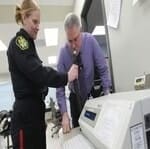 A DUI / DWI charge arising in Gainesville is a criminal matter rather than an ordinary traffic infraction. Virginia Code § 18.2-266 prohibits driving or operating a motor vehicle with a blood alcohol concentration of 0.08 percent or greater and also prohibits driving or operating while unlawfully impaired by alcohol, drugs, or a combination of substances. A Gainesville DUI investigation may begin with a traffic stop on Route 29, Linton Hall Road, Wellington Road, University Boulevard, Interstate 66, or another road serving the community. An investigation may also follow a collision, a report of suspected impaired driving, or an encounter near Gainesville’s shopping and restaurant districts. Potential defense issues include the legality of the initial stop, evidence of driving or operation, observations of impairment, statements attributed to the driver, field sobriety exercises, body-camera footage, preliminary breath testing, and the procedures used to obtain and analyze evidentiary breath or blood samples. A first DUI conviction is generally a Class 1 misdemeanor. Potential consequences can include fines, jail, loss of driving privileges, Virginia Alcohol Safety Action Program requirements, ignition interlock restrictions, and other court-imposed conditions. Additional mandatory penalties may apply depending on the blood alcohol concentration, prior qualifying convictions, refusal allegations, and other circumstances. Our attorneys examine the evidence and applicable Virginia DUI law to determine which defenses and resolutions may be available.
Gainesville Reckless Driving Defense
 Virginia recognizes several distinct reckless driving offenses, each involving different statutory requirements and potential defenses. Reckless driving is generally a Class 1 misdemeanor rather than an ordinary traffic infraction. A conviction may carry criminal penalties and consequences for a driver’s license, insurance, employment, and driving record. One of the most commonly charged offenses is reckless driving by speed under Virginia Code § 46.2-862. This statute applies when a motorist allegedly drives 20 miles per hour or more above the applicable maximum speed limit or faster than 85 miles per hour regardless of the posted limit. In Gainesville, reckless driving by speed allegations may arise along Interstate 66, U.S. Route 29, or other roads carrying substantial commuter and regional traffic. A defense may involve reviewing radar or LIDAR evidence, calibration certificates, pacing evidence, vehicle identification, roadway conditions, the driver’s record, and available speedometer calibration. The appropriate defense depends on the exact charge and circumstances.
Other Reckless Driving Offenses in Virginia
Reckless driving charges are not limited to excessive speed. Virginia law also recognizes offenses involving dangerous driving behavior, vehicle control, roadway conditions, stationary emergency vehicles, and stopped school buses. The following are five other reckless driving charges that motorists may encounter.
General Reckless Driving – Virginia Code § 46.2-852
Virginia Code § 46.2-852 prohibits driving recklessly or at a speed or in a manner that endangers the life, limb, or property of another person. This charge may arise from allegedly dangerous driving behavior, unsafe maneuvers, or an accident investigation, even when the vehicle was not exceeding the posted speed limit. Potential defense issues include officer observations, witness testimony, video recordings, road conditions, and whether the evidence establishes the required elements of reckless driving. An accident alone does not automatically establish guilt.
Failure to Maintain Proper Control – Virginia Code § 46.2-853
Virginia Code § 46.2-853 addresses driving a vehicle that is not under proper control or that has inadequate or improperly adjusted brakes. Charges may arise following a collision, loss-of-control incident, or allegations involving vehicle operation. A defense may involve examining road conditions, mechanical evidence, photographs, accident reconstruction, witness statements, and whether the Commonwealth can establish the statutory violation.
Driving Too Fast for Conditions – Virginia Code § 46.2-861
Virginia Code § 46.2-861 makes it reckless driving to exceed a reasonable speed under the highway and traffic conditions existing at the time, regardless of the posted speed limit. Allegations may involve rain, reduced visibility, heavy traffic, roadway hazards, or other circumstances affecting safe vehicle operation. The defense may involve weather records, roadway conditions, traffic patterns, officer observations, and whether the alleged speed was unreasonable under the circumstances.
Failure to Move Over for a Stationary Emergency Vehicle – Virginia Code § 46.2-861.1(A)
Virginia Code § 46.2-861.1(A) requires motorists approaching certain stationary vehicles displaying qualifying warning lights to change lanes when reasonable and safe on qualifying multilane highways, or otherwise proceed with due caution at a safe speed. A violation of subsection A constitutes reckless driving. These allegations may arise on Interstate 66, Route 29, or other highways serving Gainesville. Defense issues may include lane availability, traffic conditions, visibility, warning lights, officer observations, and whether a lane change was reasonable and safe. Certain other move-over violations under subsection B are traffic infractions rather than reckless driving offenses.
Passing a Stopped School Bus – Virginia Code § 46.2-859
Virginia Code § 46.2-859 makes unlawfully passing a stopped school bus that is loading or unloading passengers a reckless driving offense. The statute includes exceptions, including certain situations involving a divided highway. These charges may arise on roads serving Gainesville neighborhoods, schools, and residential developments. Relevant defense issues may include the bus location, roadway configuration, warning devices, visibility, identification of the driver, and whether a statutory exception applies. Some stopped-school-bus violations may instead be pursued through the separate civil penalty provisions of § 46.2-844.
The particular reckless driving statute listed on the Virginia Uniform Summons is important because different offenses require different evidence and legal analysis. A speeding allegation on Interstate 66 presents different issues from an accident-related charge on Linton Hall Road or a school-bus violation in a residential neighborhood.
Our attorneys examine the applicable statute, available evidence, driving history, and circumstances of the allegation to identify potential defenses. In appropriate cases, the evidence and mitigating circumstances may support seeking an amended charge or another disposition. Such outcomes depend on the individual case and are not guaranteed.
Gainesville Speeding Ticket Defense
 Speeding tickets are among the traffic violations that motorists may encounter on Interstate 66, Route 29, Linton Hall Road, Wellington Road, Heathcote Boulevard, and other roads serving Gainesville. Ordinary speeding is generally a traffic infraction, but the alleged speed and applicable statute determine whether the charge carries more serious consequences. The difference between ordinary speeding and reckless driving is especially important. An allegation involving a speed at least 20 miles per hour above the applicable maximum speed limit, or faster than 85 miles per hour, may support a criminal reckless-driving charge under Virginia law. A Gainesville speeding-ticket defense may require review of the posted speed limit, location of the alleged offense, officer observations, radar or LIDAR measurements, calibration records, pacing evidence, vehicle identification, and roadway conditions. Allegations on Interstate 66 or Route 29 may present different factual issues from those involving commercial entrances, neighborhood streets, or school-area traffic. Available defenses and mitigating evidence may depend on the driver’s history, the circumstances of the traffic stop, and the particular charge. In some cases, speedometer calibration, a favorable driving record, or other materials may be relevant to the disposition. Prepaying an eligible speeding ticket results in a guilty disposition. Before prepaying, motorists should consider the possible effects on their DMV record, insurance premiums, employment, and driving privileges.
Traffic Enforcement and Major Roads in Gainesville
Gainesville is a major suburban and commercial community in western Prince William County. Interstate 66 and U.S. Route 29 form important regional transportation corridors, while Linton Hall Road, Wellington Road, University Boulevard, and other connecting roads serve residential neighborhoods, shopping centers, employment areas, and commuters.
The Gainesville transportation network carries more than local residential traffic. Motorists travel through the area to reach Interstate 66, commercial developments, regional employment destinations, and communities throughout Northern Virginia.
Important roads in and around Gainesville include:
- Interstate 66: A principal east-west interstate carrying commuters, commercial vehicles, and long-distance travelers through Gainesville. Exit 43 provides access to Route 29.
- U.S. Route 29 / Lee Highway: A major roadway through Gainesville connecting the Interstate 66 interchange with commercial areas, neighborhoods, and regional routes.
- Linton Hall Road / Route 619: A heavily traveled corridor connecting the Route 29 interchange area with residential developments and commercial destinations.
- Wellington Road: An important connection serving shopping centers, businesses, industrial and employment areas, and traffic traveling through Gainesville.
- University Boulevard: A connection between Route 29, Wellington Road, commercial properties, and the Interstate 66 corridor.
- Heathcote Boulevard: A roadway north of Interstate 66 serving residential areas and providing connections toward Route 29 and surrounding communities.
- Route 55 / John Marshall Highway: A roadway associated with the Gainesville interchange network and travel along the western Interstate 66 corridor.
- U.S. Route 15 / James Madison Highway: A regional north-south highway west of central Gainesville connecting with Route 29 and Interstate 66.
- Virginia Oaks Drive: A residential connection serving the Virginia Oaks neighborhood and the Route 29 corridor.
- Old Linton Hall Road: A local route serving businesses and commercial areas near Virginia Gateway.
- Gateway Center Drive and Atlas Walk Way: Local streets serving Gainesville’s major shopping, dining, and entertainment destinations.
- Pageland Lane: A roadway serving the northeastern Gainesville area, including access to historic and recreational destinations.
The roadway involved in a Gainesville traffic case can affect the applicable speed limit, enforcement agency, available evidence, and circumstances surrounding the allegation.
A traffic stop on Interstate 66 may involve high-speed enforcement and interstate traffic conditions. An allegation along Route 29 or Linton Hall Road may involve interchange ramps, merging vehicles, traffic signals, or turning movements near commercial entrances.
Traffic Conditions Along Interstate 66 and Route 29 in Gainesville
Interstate 66 and U.S. Route 29 are central to Gainesville’s transportation network. These routes carry substantial commuter traffic as well as motorists traveling between commercial destinations, residential developments, and other Northern Virginia communities.
Interstate 66 Exit 43 connects the interstate with Route 29 in Gainesville. The interchange includes separate movements for northbound and southbound Route 29 traffic and connections to the surrounding road network.
Route 29 serves as a major commercial corridor with shopping centers, restaurants, businesses, and connections to Linton Hall Road, University Boulevard, and Heathcote Boulevard.
Drivers in this area may encounter:
- Traffic entering or leaving Interstate 66
- Changes in speed limits between interstate ramps and local roads
- Merging and lane changes near interchange connections
- Congestion associated with commuter travel
- Turning vehicles entering shopping centers and commercial properties
- Traffic-signal and right-of-way issues at local intersections
- Vehicles traveling between Route 29 and Linton Hall Road
A speeding or reckless-driving allegation on a limited-access interstate presents different factual issues from a case involving a commercial intersection or a congested local roadway.
Relevant evidence may include the precise location of the alleged conduct, posted speed limits, officer observations, radar or LIDAR measurements, lane configuration, roadway signs, photographs, and available video recordings.
High traffic volume does not establish that a particular location is an enforcement hotspot. The facts and evidence in the individual case control the defense analysis.
The Route 29 and Linton Hall Road Interchange
The interchange connecting U.S. Route 29, Linton Hall Road, Route 55, and nearby Interstate 66 is an important part of Gainesville’s transportation network.
Transportation improvements created a grade-separated connection between Route 29 and Linton Hall Road, with ramps and connecting roads serving local and regional traffic.
The interchange provides motorists with access to Gainesville’s shopping destinations, businesses, residential areas, and Interstate 66.
Traffic allegations in this area may involve:
- Speeding on Route 29
- Reckless driving by speed
- Improper lane changes or merging
- Following too closely
- Failure to yield
- Accidents involving ramp or intersection movements
- Traffic-sign and signal violations
Because the interchange includes multiple road levels, ramps, and connecting streets, the exact location of the alleged offense may be important.
A defense may require reviewing whether the alleged conduct occurred on Route 29, Linton Hall Road, an interstate ramp, or another connecting roadway. Applicable speed limits, signs, officer positioning, and roadway configuration should be evaluated according to the individual case.
Traffic Around Virginia Gateway and Gainesville Shopping Centers
Gainesville has become a major shopping, dining, and commercial destination in western Northern Virginia. Its retail centers attract motorists who live outside the immediate community, increasing traffic beyond that generated by local residents.
Virginia Gateway is one of the area’s most recognizable shopping destinations. The development includes major retailers, restaurants, services, and entertainment properties near Route 29 and Linton Hall Road.
The Promenade at Virginia Gateway provides additional shopping, dining, and entertainment opportunities, with access from local streets including Gateway Promenade Place and Atlas Walk Way.
Other important Gainesville commercial destinations include:
- Virginia Gateway: A major regional shopping and commercial development serving Gainesville and surrounding communities.
- Promenade at Virginia Gateway: A shopping, restaurant, and entertainment district that attracts visitors throughout the week and on weekends.
- The Shops at Stonewall: A retail center along Route 29 serving the Lake Manassas area and surrounding neighborhoods.
- Madison Crescent: A mixed-use residential and commercial development near the Route 29 and Route 15 corridors.
- Gainesville Square: A commercial shopping area serving motorists traveling through the Gainesville retail district.
Traffic around shopping centers may involve commercial entrances, turning lanes, signalized intersections, pedestrian crossings, vehicles entering or leaving parking areas, and congestion during busy periods.
Traffic charges may arise from speeding, following too closely, improper lane changes, failure to yield, traffic-signal violations, distracted driving, DUI investigations, or accidents.
An allegation near Virginia Gateway or another Gainesville shopping center should be evaluated according to the exact roadway, applicable statute, officer observations, witness accounts, and available evidence.
Interstate 66 Express Lanes and Gainesville Commuter Traffic
The Interstate 66 corridor serves large numbers of commuters traveling between Gainesville and employment centers throughout Northern Virginia.
The Transform 66 Outside the Beltway project added express lanes and other transportation improvements along the interstate. Gainesville also has a commuter park-and-ride facility near University Boulevard and Route 29.
These facilities serve motorists who travel through Gainesville even when they reside elsewhere.
Traffic allegations involving Interstate 66 may include speeding, reckless driving, improper lane changes, following too closely, failure to move over, or other driving conduct.
Depending on the location, a case may also involve express-lane access points, entrance and exit ramps, lane restrictions, or toll-related requirements.
The distinction between general-purpose lanes, express lanes, interchange ramps, and adjoining local roads can matter when evaluating the alleged offense.
An attorney may need to examine the precise location, roadway signs, officer observations, video evidence, and applicable statute before determining the defense strategy.
Traffic in Gainesville Residential Communities
Although Gainesville attracts significant commercial and regional traffic, it also contains established residential developments that generate daily school, shopping, and commuting trips.
Communities in and around Gainesville include Lake Manassas, Heritage Hunt, Virginia Oaks, and other residential neighborhoods connected to Route 29, Heathcote Boulevard, and the surrounding road network.
Heritage Hunt is a large residential community in Gainesville, while the Lake Manassas and Virginia Oaks areas include residential roads and connections to major commuter routes.
Traffic matters in residential areas may involve:
- Speeding on neighborhood collector roads
- School-area traffic violations
- Failure to stop at traffic signs
- Improper turns or passing
- Following too closely
- Accidents at neighborhood entrances
- Driving on a suspended or revoked license
A traffic stop on a residential road may involve different posted speed limits, traffic controls, sight distances, and witness evidence than a stop on Interstate 66 or Route 29.
The defense should address the specific roadway and circumstances rather than relying on general assumptions about traffic conditions in Gainesville.
Police Jurisdiction and Gainesville Traffic Stops
Prince William County Police officers enforce traffic laws within their jurisdiction, and Virginia State Police may conduct enforcement on Interstate 66 and other highways.
A Gainesville traffic charge may follow a routine traffic stop, speed enforcement, an accident investigation, a DUI investigation, or another encounter with law enforcement.
The officer’s observations, location of the alleged conduct, applicable statute, and available evidence determine the issues presented by the case.
A motorist may receive a summons while traveling through Gainesville even if the driver resides elsewhere. The location of the alleged offense determines the appropriate jurisdiction, rather than the driver’s home address.
Distracted Driving and Other Gainesville Traffic Violations
 Virginia law generally prohibits a person from holding a handheld personal communications device while driving a moving motor vehicle on a highway, subject to statutory exceptions. In Gainesville, additional traffic allegations may involve following too closely, improper passing, failure to yield, traffic-signal violations, failure to move over for certain stopped vehicles, lane changes, or driving conduct associated with an accident. An allegation arising along Route 29, near the Linton Hall Road interchange, or at a commercial entrance should be evaluated according to the specific statute and facts. The classification of the charge matters because some violations are infractions while others may be criminal offenses. The defense may involve reviewing roadway signs, photographs, witness accounts, officer observations, crash evidence, body-camera footage, and any available video recordings.
Where Gainesville Traffic Cases Are Heard
Traffic charges arising in Gainesville are generally heard in Prince William General District Court at the Prince William Judicial Center, located at 9311 Lee Avenue, Manassas, Virginia 20110. Gainesville does not have a separate municipal traffic court. Most adult traffic infractions and misdemeanor driving charges arising in the community are handled through the General District Court. The court handles matters including speeding tickets, reckless driving, misdemeanor DUI / DWI, driving on a suspended license, and other traffic allegations. Certain felony cases may begin with proceedings in General District Court before moving to Circuit Court. Although the courthouse is located in Manassas, the location of the alleged offense, rather than the defendant’s mailing address, generally determines the proper jurisdiction. The court listed on the Virginia Uniform Summons or warrant should always be confirmed before the scheduled hearing.
Virginia Uniform Summons for Gainesville Traffic Charges
 Many Gainesville traffic cases begin when a law-enforcement officer issues a Virginia Uniform Summons. Motorists commonly call this document a traffic ticket or citation. The summons identifies the alleged offense, applicable code section, court, and hearing date. A driver should review the paperwork carefully to understand the exact charge and the obligation to respond. Signing a summons is not an admission of guilt. It acknowledges the obligation to respond to the charge as required. Some traffic infractions may be prepaid, but prepayment waives the court hearing and results in a guilty disposition. Criminal reckless-driving charges cannot be prepaid as ordinary traffic infractions. Before paying a Gainesville traffic ticket, the driver should consider potential DMV demerit points, insurance consequences, license restrictions, employment considerations, and any consequences under another state’s licensing laws.
Out-of-State Drivers Charged in Gainesville
Gainesville’s location along Interstate 66 and U.S. Route 29 brings substantial travel by motorists from outside the community and outside Virginia.
Drivers licensed outside Virginia, including motorists from Maryland and Washington, D.C., may receive summonses for speeding, reckless driving, DUI / DWI, or other traffic offenses while traveling through Gainesville.
Interstate 66 and Route 29 also serve drivers traveling between Northern Virginia, the Washington metropolitan area, and destinations farther west.
An out-of-state driver should consider both the Virginia court case and potential consequences in the driver’s home state. Traffic convictions may be reported between jurisdictions, and home-state penalties can differ from those imposed in Virginia.
Whether the driver must personally appear in court depends on the charge and court requirements. In some cases, counsel may seek permission for a personal appearance to be waived. More serious criminal matters may require the defendant to attend.
An attorney can review the charge, summons, court requirements, and driving record before advising whether an appearance may be waived.
Driver Improvement, Driving Record and Mitigation
A driver’s record and mitigating circumstances may be relevant when preparing a Gainesville speeding, reckless-driving, or other traffic case. Depending on the charge, potentially useful materials may include a favorable driving record, completion of an appropriate driver-improvement program, speedometer calibration, community service, corrective vehicle documentation, or other information relevant to the allegation.
Not every case benefits from the same preparation. Driver improvement may be helpful in some circumstances but unnecessary or inappropriate in others. Before completing a course or obtaining other mitigation materials, a driver should consider the nature of the charge, available defenses, and the strategy for the particular case.
Driver improvement does not erase the underlying evidence or guarantee a dismissal or reduction. It is one possible component of a broader defense or mitigation strategy.
Consequences of a Gainesville Traffic Conviction
The consequences of a traffic conviction depend on the offense, the driver’s record, and the applicable Virginia law. An ordinary traffic infraction may involve a fine, court costs, DMV demerit points, a driving-record entry, and increased insurance costs.
Criminal driving offenses can carry more serious consequences.
Depending on the charge, possible consequences include:
- Fines and court costs
- Virginia DMV demerit points
- Driver’s license suspension or revocation
- Jail for certain criminal traffic offenses
- A criminal misdemeanor or felony record
- Automobile insurance consequences
- Employment consequences for drivers whose jobs require driving
- Commercial driver’s license consequences
- Consequences imposed by another state for an out-of-state driver
The exact offense should therefore be reviewed before deciding whether to prepay, contest the allegation, pursue negotiations, or seek another lawful disposition.
How a Gainesville Traffic Lawyer Builds a Defense
Traffic defense begins with understanding the charged statute and the evidence the Commonwealth must present. A DUI / DWI prosecution raises different questions from reckless driving by speed, ordinary speeding, suspended-license allegations, or an accident-related traffic offense.
Depending on the charge, our attorneys may examine the Virginia Uniform Summons, police reports, body-camera or cruiser video, radar or LIDAR evidence, calibration certificates, photographs, speedometer evidence, road signs, accident diagrams, witness statements, chemical-test evidence, and the driver’s history.
The precise location may also affect the analysis. An allegation on Interstate 66 or Route 29 may involve speed measurements, highway conditions, lane identification, or interchange evidence. A case near Virginia Gateway, the Promenade, or The Shops at Stonewall may involve turning movements, traffic signals, right-of-way rules, or witness observations.
An allegation near the Route 29 / Linton Hall Road interchange may raise additional questions concerning ramp configuration, posted speed limits, vehicle identification, and the officer’s method of observing or measuring the alleged violation.
Legal questions may include the basis for the traffic stop, identification of the driver, operation of the vehicle, admissibility of statements or test results, reliability of speed-measurement evidence, and whether the evidence establishes every element of the offense.
Some cases should be contested at trial. Others may involve negotiations, mitigation, an amended charge, or another resolution supported by the facts and applicable law.
Frequently Asked Questions About Gainesville Traffic Cases
Where will my Gainesville traffic case be heard?
Traffic offenses arising in Gainesville are generally heard in Prince William General District Court at 9311 Lee Avenue, Manassas, Virginia 20110. The summons should identify the assigned court and hearing date.
Is Gainesville in Prince William County?
Yes. Gainesville is a community in western Prince William County. Its major roads include Interstate 66, U.S. Route 29, Linton Hall Road, Wellington Road, University Boulevard, and Heathcote Boulevard. Traffic cases arising in Gainesville are generally handled through the county court system.
What roads are associated with Gainesville traffic cases?
Major roads serving Gainesville include Interstate 66, U.S. Route 29, Linton Hall Road, Wellington Road, University Boulevard, Heathcote Boulevard, Route 55, and connections to Route 15. Interstate 66 Exit 43 provides access to Route 29 in Gainesville. The precise location and applicable speed limit matter to the charge.
Is reckless driving in Gainesville a criminal offense?
Yes. Reckless driving is generally a Class 1 misdemeanor in Virginia. Under § 46.2-862, reckless driving by speed may be charged for driving at least 20 miles per hour above the applicable maximum speed limit or faster than 85 miles per hour.
What happens after a DUI / DWI charge in Gainesville?
A DUI / DWI charge is a criminal matter. The defense may involve the traffic stop, evidence of driving or operation, field sobriety exercises, statements, video, breath or blood testing, and compliance with Virginia DUI procedures. Potential penalties depend on the facts and prior qualifying offenses.
Can a Gainesville speeding ticket become reckless driving?
Yes. Ordinary speeding is generally a traffic infraction, but alleged speed may support a criminal reckless-driving charge if it reaches the applicable statutory threshold. The precise charge and code section on the summons should be reviewed.
Do I have to appear in court for a Gainesville traffic ticket?
It depends on the charge and court requirements. Some eligible traffic infractions may be prepaid, which waives the hearing and results in a guilty disposition. Reckless driving cannot be prepaid as an ordinary traffic ticket. Other charges may require a court appearance.
Can an out-of-state driver hire a lawyer for a Gainesville traffic case?
Yes. Out-of-state drivers may retain Virginia counsel. Whether the driver must personally return to court depends on the charge, circumstances, and court requirements. An attorney can evaluate whether requesting a waiver of appearance is appropriate.
Should I prepay my Gainesville traffic ticket?
Prepaying an eligible ticket results in a guilty disposition. Before prepaying, consider the alleged offense, DMV consequences, insurance implications, licensing restrictions, and whether there may be grounds to contest or seek a reduction of the charge. Reckless driving cannot be prepaid.
Gainesville Traffic Defense Case Review
If you are facing DUI / DWI, reckless driving, a speeding ticket, or another traffic charge arising in Gainesville, early review can help identify the correct court, available evidence, potential consequences, and defense options. Contact us for a confidential case review with a Gainesville VA traffic lawyer.
10/25/2026