
Dulles Airport Firearm Charge Lawyer
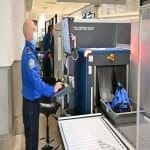 If you have been charged after a firearm was discovered at Washington Dulles International Airport, the case may involve a Virginia criminal charge as well as separate TSA consequences. Many of these cases arise when a traveler mistakenly leaves a handgun in a carry-on bag and reaches the TSA security checkpoint. Virginia Code § 18.2-287.01 prohibits certain firearms, ammunition, and other weapons in an air carrier airport terminal. Our Dulles Airport firearm charge lawyers defend these cases in Loudoun County and review the circumstances of the incident, the evidence, statements to TSA or police, and any available defenses or mitigation.







Dulles Airport Firearm Charge Defense Guide
Loudoun Defense Services
- Loudoun County Overview
- Loudoun County Criminal Defense Lawyer
- Loudoun County Firearm Charges Lawyer
- Loudoun County Concealed Weapon Lawyer
- Loudoun County Brandishing Firearm Lawyer
For broader statewide guidance, see our Virginia Airport Gun Lawyer page.
Firearm Charges at Washington Dulles International Airport
 Dulles Airport firearm charges frequently arise when a traveler reaches a TSA security checkpoint with a handgun, ammunition, or another prohibited weapon in a carry-on bag. In many cases, the traveler may tell police that the firearm was lawfully owned and was left in a backpack, briefcase, purse, suitcase, or other bag by mistake. When TSA screening identifies a suspected firearm or weapon, screening is stopped and law enforcement may be contacted. The firearm may be seized, the traveler may be questioned, and a Virginia criminal charge may result.
A Dulles Airport firearm case can involve several separate issues:
- Exactly where the firearm or weapon was discovered;
- Whether it was inside the airport terminal;
- Whether the traveler was attempting to check or retrieve the firearm lawfully;
- Whether ammunition or another covered item was also present;
- What the traveler said to TSA personnel or police;
- Whether another firearm or concealed-weapon charge was also alleged;
- Whether the firearm is subject to forfeiture; and
- Whether TSA initiates a separate federal civil enforcement proceeding.
The Virginia criminal charge and any TSA civil penalty are separate matters and should be evaluated independently.
Virginia Code § 18.2-287.01 and Airport Terminal Weapons
Virginia Code § 18.2-287.01 generally prohibits possessing or transporting specified firearms, ammunition, and other dangerous weapons into an air carrier airport terminal in Virginia.
The statute covers more than handguns. Depending on the item involved, it can apply to:
- Guns and other weapons designed or intended to propel a missile or projectile;
- Firearm frames or receivers;
- Firearm mufflers or silencers;
- Ammunition;
- Certain stun weapons;
- Explosives; and
- Other dangerous weapons identified by Virginia law.
The airport-terminal statute is therefore broader than a rule limited solely to carrying a handgun through a TSA checkpoint.
The precise location of the item and the circumstances in which it entered the terminal should be reviewed because § 18.2-287.01 also contains specific statutory exceptions.
Gun Discovered at a Dulles TSA Security Checkpoint
Many Dulles firearm cases begin when TSA screening equipment identifies a handgun in a passenger’s carry-on property.
A common allegation involves a traveler who routinely or lawfully possesses a firearm but changes bags, uses a bag previously used to carry a firearm, or simply forgets that the handgun remains inside the bag before going to the airport.
The fact that a traveler says the firearm was forgotten can be an important part of understanding and presenting the circumstances of the case. The defense should distinguish, however, between the elements the Commonwealth must prove under the charged statute and facts that may be important to mitigation, negotiations, credibility, or the ultimate disposition of the case.
Relevant facts may include:
- Whether the firearm was loaded or unloaded;
- Where inside the bag the firearm was located;
- Whether ammunition was present;
- Whether the traveler had a concealed handgun permit;
- Whether the firearm was lawfully owned and possessed before arriving at the airport;
- Whether the bag was routinely used for another purpose;
- What the traveler said immediately after TSA discovered the firearm;
- Whether the traveler cooperated with TSA and police; and
- The traveler’s prior criminal and firearm history.
A Virginia concealed handgun permit does not itself authorize carrying a firearm through a TSA passenger security checkpoint.
Dulles Airport Firearm Charge Penalties and Forfeiture
A violation of Virginia Code § 18.2-287.01 is a Class 1 misdemeanor.
A Class 1 misdemeanor can be punished by:
- Up to 12 months in jail;
- A fine of up to $2,500; or
- Both jail and a fine.
The statute also provides for seizure of a weapon involved in an alleged violation. A firearm or other weapon possessed or transported in violation of § 18.2-287.01 is subject to forfeiture to the Commonwealth.
For a lawful firearm owner, the possible loss of the firearm can therefore be a separate concern in addition to the criminal charge, potential sentence, and criminal-record consequences.
Checking a Firearm for Air Travel at Dulles Airport
 Virginia law recognizes that lawful firearms, weapons, and ammunition may enter or leave an airport terminal in specified circumstances connected with legitimate airline travel. Section 18.2-287.01 contains exceptions, to the extent otherwise permitted by law, for an airline passenger transporting a lawful firearm, weapon, or ammunition into or out of the terminal for specified travel-related purposes.
Those statutory exceptions include transporting the firearm, weapon, or ammunition for the sole purpose of:
- Presenting it to U.S. Customs before an international flight when required by federal law;
- Checking it with luggage; or
- Retrieving it from the baggage claim area.
Federal transportation rules impose additional requirements. A firearm transported by a passenger generally must be unloaded, placed in a locked hard-sided container, transported in checked baggage, and declared to the airline when the bag is checked.
A firearm cannot simply be placed in carry-on luggage and taken through the passenger security checkpoint.
Ammunition is also prohibited in carry-on baggage. Federal rules concerning ammunition packaging and any additional airline requirements should be reviewed before traveling.
TSA Civil Penalties After a Dulles Airport Firearm Incident
 A Virginia criminal charge is not the only possible consequence when a firearm is discovered at a Dulles TSA checkpoint. TSA may separately begin a federal civil enforcement proceeding. TSA civil penalties can reach thousands of dollars. The amount can depend on factors such as whether the firearm was loaded, whether accessible ammunition was present, prior violations, and other aggravating or mitigating circumstances. A traveler may receive a Notice of Violation or other correspondence concerning a proposed civil penalty. TSA enforcement is separate from the Loudoun County criminal prosecution. Resolution or dismissal of one matter does not automatically resolve the other.
A checkpoint firearm violation can also affect TSA Pre-Check eligibility.
Evidence in a Dulles Airport Firearm Case
Airport firearm cases can involve evidence generated by both TSA and law enforcement.
Relevant evidence may include:
- The firearm, ammunition, or other weapon allegedly recovered;
- The carry-on bag or other container in which it was located;
- TSA screening records or images;
- Airport surveillance video;
- Police body-camera footage;
- Statements made to TSA personnel;
- Statements made to airport police or other law enforcement;
- Photographs documenting where the firearm was located;
- The traveler’s airline itinerary and baggage information;
- A concealed handgun permit, if applicable;
- Firearm ownership or purchase records where relevant; and
- Documents relating to any separate TSA enforcement proceeding.
Statements made immediately after the firearm is discovered can be particularly important. Body-camera footage, police reports, and other recordings should be reviewed to determine what was actually asked and said.
Defense and Mitigation in Dulles Airport Firearm Cases
The appropriate defense depends on the exact charge, the location of the firearm, the circumstances of the travel, and the available evidence.
Statutory Airport Exception
A traveler who was lawfully checking a firearm with luggage, retrieving it from baggage claim, or acting within another statutory exception may present a materially different case from a passenger attempting to take a firearm through the security checkpoint.
Location and Circumstances of Possession
Section 18.2-287.01 concerns possession or transportation into an air carrier airport terminal. The precise location where the weapon was possessed or discovered and the traveler’s purpose should therefore be established from the evidence.
Forgotten Firearm or Mistake
Many checkpoint cases involve an allegation that a firearm was accidentally left in a carry-on bag. The circumstances surrounding that mistake, including lawful ownership, travel history, how the bag was ordinarily used, immediate statements, and the person’s prior record, may be important when evaluating the case and developing mitigation.
Statements to TSA or Law Enforcement
Statements concerning ownership, knowledge, the reason the firearm was in the bag, and when the traveler last used the bag can become significant evidence. Any body-camera footage or recorded statement should be compared with the police report.
Additional Firearm or Weapon Charges
Depending on the circumstances, police may allege another firearm or weapon offense in addition to the airport-terminal charge. Each charge should be analyzed separately because the elements may differ.
Mitigation
When the evidence supports the airport-terminal charge, mitigation can become particularly important. Relevant circumstances may include the person’s lack of criminal history, lawful firearm ownership, concealed handgun permit status, cooperation, the circumstances producing the mistake, whether the firearm was loaded, and steps taken after the incident.
Loudoun Courts and the Dulles Airport Firearm Case Process
 A charge under Virginia Code § 18.2-287.01 is a Class 1 misdemeanor. Dulles Airport misdemeanor firearm cases prosecuted in Loudoun County are generally handled in the Loudoun County General District Court. The case may involve review of the charging document, discovery, police reports, body-camera footage, TSA-related records, negotiations, motions, and trial. The criminal proceeding should also be distinguished from any separate TSA civil enforcement matter. A traveler may therefore be dealing with both a Loudoun County court date and federal TSA correspondence arising from the same airport incident.
What to Send a Dulles Airport Firearm Charge Lawyer
Helpful information for a Dulles Airport firearm case review may include:
- The Virginia Uniform Summons, warrant, or other charging document;
- The scheduled Loudoun court date;
- Any paperwork provided by airport police;
- Any TSA Notice of Violation or civil-penalty correspondence;
- Your airline itinerary or boarding information;
- Information about where the firearm was located in the bag;
- Whether the firearm was loaded or ammunition was also present;
- Your concealed handgun permit, if applicable;
- Documents or photographs relating to the firearm;
- Information concerning statements made to TSA or police; and
- Any other paperwork relating to the airport incident.
Potentially relevant documents and electronic evidence should be preserved in their original form.
Frequently Asked Questions About Dulles Airport Firearm Charges
What happens if TSA finds a gun in my carry-on bag at Dulles Airport?
TSA screening will generally stop and law enforcement may be contacted. The firearm may be seized, the traveler may be questioned, and a Virginia criminal charge may result. TSA may also separately pursue a federal civil penalty.
Is bringing a gun into the Dulles Airport terminal a misdemeanor in Virginia?
A violation of Virginia Code § 18.2-287.01 is a Class 1 misdemeanor. The statute applies to specified firearms, ammunition, and other dangerous weapons possessed or transported into an air carrier airport terminal, subject to its exceptions.
What if I forgot that the gun was in my carry-on bag?
A forgotten firearm is a common factual scenario in airport cases, but the circumstances still must be evaluated under the statute actually charged. Evidence concerning the mistake, lawful ownership, the person’s prior record, immediate statements, and other circumstances may be important to the defense and mitigation.
Can I legally check a firearm for a flight at Dulles Airport?
Yes, when the firearm is otherwise lawfully possessed and applicable state, federal, TSA, and airline requirements are satisfied. Virginia law contains an exception connected with checking a lawful firearm with luggage. Federal transportation rules generally require the firearm to be unloaded, declared to the airline, and transported in a locked hard-sided container in checked baggage.
Can I legally retrieve a firearm from baggage claim at Dulles Airport?
Virginia Code § 18.2-287.01 contains an exception, to the extent otherwise permitted by law, for an airline passenger transporting a lawful firearm, weapon, or ammunition into or out of the terminal for the purpose of retrieving it from the baggage claim area.
Can my firearm be forfeited after a Dulles Airport gun charge?
Yes. Virginia Code § 18.2-287.01 provides that a weapon possessed or transported in violation of the statute is subject to seizure and forfeiture to the Commonwealth.
Can TSA impose a separate civil penalty for a firearm at the checkpoint?
Yes. TSA may pursue a federal civil penalty separately from the Virginia criminal case. The amount can depend on whether the firearm was loaded, prior violations, and other aggravating or mitigating circumstances.
Can a Dulles Airport firearm incident affect TSA PreCheck?
Yes. TSA states that firearm violations at passenger security checkpoints can affect TSA PreCheck eligibility in addition to any civil penalty or state criminal charge.
What evidence is important in a Dulles Airport firearm case?
Important evidence may include the firearm and bag, TSA screening information, surveillance video, police body-camera footage, statements, photographs, airline records, the location of the weapon, and documents relating to any TSA civil enforcement proceeding.
Where is a Dulles Airport firearm charge heard?
A misdemeanor airport-terminal firearm charge arising in Loudoun County is generally handled in Loudoun County General District Court. The summons, warrant, or other charging document should be reviewed to confirm the court and exact charge.
Request a Confidential Dulles Airport Firearm Case Review
If you have been charged after a firearm or other weapon was discovered at Washington Dulles International Airport, early review can help determine the exact Virginia charge, whether a statutory exception may apply, what the TSA and police evidence shows, and what issues may affect the criminal case or a separate TSA enforcement proceeding. Our Dulles Airport firearm charge lawyers represent clients facing airport gun and weapon charges in Loudoun County. Contact us for a confidential case review and include the name on the paperwork, the Loudoun court date, the exact charge, and copies or photographs of the available documents.
1/13/2025| Updated 9/12/2026