
Elite Speeding Ticket Lawyer Fairfax County VA • 1400+ Client Reviews
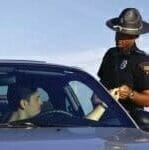 A Fairfax County Speeding Ticket is a common traffic offense violation in Fairfax County VA. The Fairfax County Police Department and State Police diligently patrol the County. These law enforcement officers are serious about enforcing the speed limit on Interstates 95, 495, 66 and other state highways. Every traffic case goes before the Judge for trial. It is wise to seek counsel from a professional because a conviction can negatively affect you in many ways.
CAUTION: A Fairfax County VA reckless driving speeding conviction will on average increase the automobile insurance premium by 73% according to Insurance.com
Fairfax County VA Speeding Ticket Defense Attorneys
 Riley & Wells Attorneys-At-Law is a prominent law firm that represents clients accused of speeding offenses in the Fairfax County VA General District Court. Our lawyers have defended thousands of speeding cases and have amassed over 60 years of collective traffic law experience. We are the Fairfax County VA Speeding Ticket Attorneys that clients want representing them. We examine each case in detail and use every resource the law allows to secure the best possible.
Top Rated Law Firm for Speeding Ticket Representation


Virginia Speeding Ticket Penalties
- Excessive fines and court costs
- Assessment of moving violation demerit points
- Loss of driving privileges depending on speed and prior convictions
- Possible incarceration if excessive speed violated the reckless driving law
Reckless Driving Speeding Ticket Attorneys
 The maximum speed limit on the Interstates in Fairfax County is 65 mph. Driving faster than 85 mph or 20 mph or more over the posted speed limit in Virginia is a reckless driving violation pursuant to Va. Code 46.2-862. Reckless driving in Virginia is classified as a criminal misdemeanor. It can be hard to believe, especially for licensed driver’s from other states, but you can be convicted of criminal misdemeanor reckless driving for simply travelling 20+ miles over the posted speed limit in Fairfax County VA.
Riley & Wells Attorneys-At-Law Defend Fairfax County VA Cases
- 46.2-862 Reckless Driving – Speeding
- 46.2-870 Speeding
- 46.2-871 School Buses
- 46.2-872 Vehicles Under Special Permits
- 46.2-873 School Zone
- 46.2-873.1 Nonsurface Treated Highways
- 46.2-874 Business or Residential District
- 46.2-875 Certain Other Highways
- 46.2-877 Impeding the Flow of Traffic
- 46.2-878 Authority to Change Speed Limits
- 46.2-878.1 Highway Work Zone
- 46.2-878.2 Certain Residential Districts
- 46.2-881 Bridges, Tunnels and Interstates
- 46.2-947 Highway Safety Corridor
Law Enforcement Use RADAR to Patrol County
 Fairfax County Police & State Police use various speed detection devices to aggressively enforce the speed limit in Fairfax County VA. We defend speeding ticket cases in Fairfax County VA. Our attorneys have a clear understanding of what the prosecution must prove. We are familiar with law enforcement methods of detecting speed. Our attorneys use this knowledge and experience to best protect our clients.
Speeding Defense Attorneys in Fairfax County VA
 The facts of each case can vary. We have the knowledge and expertise to select the best defenses and arguments for your particular circumstances. Some people don’t think they need a Fairfax County VA Speeding Ticket Lawyer. This may be true in some instances, but a skilled professional can insure that your rights are protected, that you are not intimidated in the courtroom and that you increase your chances of securing the best result.
Contact us today for a free evaluation of YOUR case!
3/31/2022 | Updated 4/29/2023