
Woodstock VA DUI Lawyer
 Riley & Wells Attorneys-At-Law represents drivers charged with DUI / DWI offenses in Woodstock, Virginia. Our Woodstock DUI lawyers defend alcohol-related DUI charges, drug-related DUI cases, refusal offenses, and other criminal traffic allegations arising from the same traffic stop. A DUI conviction can result in license suspension, jail, fines, ignition interlock, increased insurance costs, and other long-term consequences affecting your record, employment, and driving privileges. We evaluate the traffic stop, field sobriety testing, breath or blood evidence, officer observations, statements, video evidence, and other available information, explain the court process in Woodstock, and develop a defense strategy based on the facts of the case.







Woodstock DUI Defense Guide
| Defense Services | DUI Defense |
| Penalties & License Consequences | Evidence & Testing |
| Court Process | Refusal & Ignition Interlock |
| Woodstock Roads & Traffic Stops | DUI FAQs |
Woodstock VA Defense Services
For broader statewide representation information, see our Virginia DUI Lawyers page.
Woodstock VA DUI / DWI Defense
 A DUI charge in Woodstock can involve criminal penalties, loss of driving privileges, ignition-interlock requirements, increased insurance costs, and lasting consequences affecting a person’s record, employment, professional licensing, and ability to drive. The potential consequences depend on the exact charge, prior record, evidence collected, alleged blood alcohol concentration, and whether the case involves alcohol, drugs, refusal, an accident, or another aggravating circumstance. Some Woodstock DUI cases begin with a traffic stop for speeding, lane movement, an equipment violation, or another alleged traffic offense. Others arise after an accident, police encounter, disabled vehicle, checkpoint, or investigation involving breath or blood testing. A DUI lawyer can examine why the driver was stopped or detained, what the officer observed, how field sobriety exercises were administered, whether breath or blood testing procedures were followed, what statements were made, whether video evidence exists, and whether the Commonwealth can prove each required element. Virginia DUI law applies to allegations involving alcohol, drugs, medication, or a combination of alcohol and drugs. The defense should be based on the individual facts and evidence rather than an assumption that every DUI investigation is the same.
First-Offense, Repeat and Felony DUI Charges in Woodstock
 The possible consequences of a Woodstock DUI charge depend in part on whether the allegation is a first offense or whether the driver has qualifying prior convictions. A first offense under Virginia’s DUI statute is generally prosecuted as a Class 1 misdemeanor and can result in a fine, loss of driving privileges, VASAP requirements, ignition interlock, and other criminal and licensing consequences. Second and subsequent DUI offenses can carry increasingly serious penalties. The applicable look-back period, number and nature of prior offenses, dates of those offenses, alleged BAC level, and surrounding circumstances may affect mandatory penalties, license consequences, and defense strategy. Certain DUI-related allegations may be prosecuted as felonies, including qualifying repeat offenses and cases involving serious injury or death. A felony DUI-related prosecution may involve substantially greater incarceration exposure, longer-term driving consequences, and collateral consequences associated with a felony conviction.
Other facts that may increase the seriousness of a Woodstock DUI case include:
- A prior DUI or DWI record
- An elevated blood alcohol concentration
- An accident or alleged injury
- A child passenger
- An unreasonable-refusal allegation
- Driving on a suspended or revoked license
- Drug-related impairment allegations
- Combined alcohol-and-drug allegations
- Related reckless-driving allegations
- Other criminal charges arising from the incident
The summons, warrant, complaint, prior driving and criminal record, and other charging documents should be reviewed before determining the possible penalty range or defense options.
Woodstock DUI Penalties and License Consequences
 A Woodstock DUI conviction can result in consequences imposed through the criminal court and through Virginia driver’s-license laws. Depending on the particular charge and the driver’s history, those consequences may include jail, fines, license suspension or revocation, probation, VASAP participation, ignition interlock, restricted-driving conditions, and increased automobile insurance costs. Virginia DUI penalties can also be affected by an elevated BAC allegation, a prior offense, refusal, an accident, injury, a child passenger, or another aggravating circumstance. Even when incarceration is not the driver’s primary concern, loss of driving privileges can interfere with employment, childcare, medical appointments, education, and other responsibilities.
A DUI conviction may also create collateral consequences involving:
- Employment and professional licensing
- Security clearances
- Commercial driving privileges
- Automobile insurance
- Immigration status
- Military service
- Future sentencing exposure
- Out-of-state driving privileges
Woodstock DUI Court Process
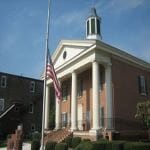 Most misdemeanor DUI cases handled in Woodstock begin in the General District Court. A DUI case may begin with a traffic stop or other police encounter, arrest, and a Virginia Uniform Summons or warrant identifying the charge, Virginia Code section, court date, and court location. Related paperwork may address bond, administrative license suspension, refusal, reckless driving, an accident-related charge, or another offense arising from the same incident.
General District Court in Woodstock
215 Mill Road, Suite 128
Woodstock, Virginia 22664
A misdemeanor DUI case may involve an arraignment or advisement, evidence review, pretrial motions, negotiations when appropriate, trial, and sentencing. A conviction in General District Court may be appealed to Circuit Court as permitted by Virginia law.
Certain felony DUI-related matters may begin in General District Court with preliminary proceedings before continuing to Circuit Court.
Circuit Court in Woodstock
112 South Main Street
Woodstock, Virginia 22664
Before court, the driver should confirm:
- The exact DUI or DWI charge
- The Virginia Code section charged
- The court date and court location
- Whether additional charges are pending
- Whether the license is administratively suspended
- Whether a refusal allegation is pending
- What evidence may be available
- What preparation should occur before court
Evidence and Testing in Woodstock DUI Cases
 The strength of a Woodstock DUI case can depend on much more than a reported breath or blood test result. The entire investigation should be reviewed, beginning with the officer’s reason for stopping or approaching the vehicle and continuing through field sobriety testing, arrest, chemical testing, and handling of the evidence.
Relevant evidence and legal issues may include:
- The legal basis for the traffic stop or detention
- Driving behavior described by the officer
- Body-camera and dashboard-camera footage
- Statements attributed to the driver
- Appearance, speech, balance, and coordination
- Field sobriety exercises
- Preliminary breath-test evidence
- The timing of alcohol consumption
- Evidentiary breath-test procedures
- Blood collection and laboratory analysis
- Medical conditions or medications
- Drug-recognition evidence when involved
- Chain of custody
- Proof that the accused was driving or operating
- Refusal warnings and procedures
- Whether the evidence proves the charged offense
Field Sobriety Testing
Field sobriety exercises commonly used during DUI investigations include the Horizontal Gaze Nystagmus exercise, Walk-and-Turn, and One-Leg Stand. Their significance may depend on how the exercises were explained, demonstrated, administered, observed, and documented.
Road surface, traffic, weather, lighting, footwear, fatigue, age, injuries, medical limitations, nervousness, and the officer’s instructions may affect performance. Body-camera or dashboard-camera recordings may provide additional context beyond the officer’s written report.
Preliminary Breath Testing
A roadside preliminary breath test is different from the post-arrest evidentiary breath test. The preliminary test is generally part of the roadside investigation and probable-cause analysis. The circumstances under which it was requested, administered, and interpreted may be relevant to the arrest decision.
Post-Arrest Breath Testing
Post-arrest breath testing involves chemical evidence that may be offered in court. Issues may include the equipment used, operator qualifications, observation and testing procedures, timing, documentation, certificates, and whether applicable statutory and regulatory requirements were followed.
Blood Testing
Blood testing may occur when drug impairment is suspected, when breath testing is unavailable or inappropriate, or under other circumstances authorized by law. Blood cases can involve the manner of collection, sample identification, storage, transportation, chain of custody, laboratory testing, toxicology, timing, and admissibility of the results.
Refusal, Ignition Interlock and Restricted Driving Privileges
A Woodstock DUI arrest may create immediate and longer-term driver’s-license issues. An administrative suspension may occur after arrest under qualifying circumstances, while a DUI conviction can result in an additional period of license suspension or revocation.
Unreasonable Refusal
A refusal allegation is separate from the underlying DUI charge. Virginia’s implied-consent laws address post-arrest chemical testing under specified circumstances. A first qualifying unreasonable refusal can be treated as a civil offense with separate license consequences, while qualifying subsequent refusal allegations may carry more serious consequences.
The defense may examine whether implied consent applied, what type of test was requested, whether the request and warnings were legally sufficient, the driver’s response, available video, and whether the Commonwealth can establish an unreasonable refusal.
Ignition Interlock
Ignition interlock may be required following a DUI conviction or as a condition of restricted driving privileges. The applicable requirements depend on the offense, prior record, type of DUI allegation, and court order.
Restricted Driving Privileges
Some drivers may qualify for restricted driving privileges subject to statutory and court-imposed conditions. Eligibility and restrictions depend on the particular offense, prior record, applicable law, ignition-interlock requirements, and the order entered by the court.
Because administrative suspension, conviction-related suspension, refusal, ignition interlock, restricted driving, and DMV requirements can operate differently, each issue should be reviewed separately.
Drug-Related DUI Charges in Woodstock
Virginia DUI law is not limited to alcohol. A person may be charged based on an allegation that a drug, medication, intoxicant, or combination of alcohol and drugs impaired the ability to drive safely. The substance involved may be illegal, prescribed, or available without a prescription.
Drug-related DUI cases may involve officer observations, statements, field sobriety exercises, blood-test results, toxicology, medical records, prescription information, body-camera footage, and testimony concerning the alleged effects of a particular substance.
The presence of a substance in a blood sample does not necessarily resolve every question concerning impairment, timing, dosage, tolerance, or the driver’s condition while operating the vehicle. The defense may examine whether the stop and arrest were lawful, whether blood was obtained and handled properly, whether laboratory evidence is reliable, and whether the Commonwealth can prove the required elements of the charge.
DUI Traffic Stops on I-81 and Local Roads in Woodstock
 Interstate 81 serves Woodstock and carries substantial local, commercial, tourist, and out-of-state traffic through the area. DUI investigations may begin with allegations of speeding, lane movement, reckless driving, an accident, disabled vehicle, equipment violation, or other observations by law enforcement. Other Woodstock roads where DUI investigations may arise include U.S. Route 11 / Main Street, Route 42 / Reservoir Road, downtown streets, and other roads and intersections within the town. The location of the stop can matter. Road configuration, speed limits, lighting, weather, traffic, construction, officer position, nearby businesses, surveillance cameras, witnesses, and accident evidence may become relevant when evaluating what occurred. DUI investigations in Woodstock may involve the Woodstock Police Department, Virginia State Police, or another law-enforcement agency with authority at the location of the stop or accident.
Out-of-State Drivers Charged With DUI in Woodstock
 Interstate 81 brings drivers from many states through Woodstock. An out-of-state driver charged with DUI in Virginia should not assume that the case can be ignored or that the consequences will remain limited to Virginia. A DUI conviction, refusal finding, license suspension, or failure to appear may affect driving privileges, insurance, employment, or licensing issues in the driver’s home state. The particular effect depends on the Virginia disposition and the laws of the licensing state. DUI charges also differ from many ordinary traffic tickets because a personal court appearance is commonly required. An out-of-state driver should confirm the exact charge, court date, appearance requirements, Virginia licensing consequences, and any obligations that may have to be completed outside Virginia.
Woodstock DUI Lawyer Client Reviews

What to Send for a Woodstock DUI Case Review
A complete set of court and arrest documents can help identify the exact charge, court date, license issues, testing evidence, and other matters requiring attention.
Helpful materials may include:
- Virginia Uniform Summons or warrant
- Bond and release paperwork
- Administrative license-suspension documents
- Refusal paperwork
- Breath-test documentation
- Blood-test or laboratory records already available
- Accident reports, photographs, or video
- Driving record and prior DUI information
- Names of passengers or other witnesses
- Medical conditions and relevant medication information
- Any body-camera, dash-camera, or other recordings available
- A written timeline of the stop, arrest, and testing
Photographs, recordings, messages, receipts, location information, and other potentially relevant evidence should be preserved in their original form when possible.
Frequently Asked Questions About Woodstock DUI Charges
Is a first-offense DUI in Woodstock a criminal charge?
Yes. A first-offense DUI under Virginia law is generally a Class 1 misdemeanor. A conviction can result in fines, loss of driving privileges, VASAP requirements, ignition interlock, and other criminal and licensing consequences. Additional penalties may apply depending on the BAC level or other circumstances.
Where are Woodstock DUI cases heard?
Most misdemeanor DUI cases handled in Woodstock are heard in the General District Court at 215 Mill Road, Suite 128, Woodstock, Virginia. Certain felony DUI-related matters may begin with preliminary proceedings in General District Court before continuing to Circuit Court.
What happens after a DUI arrest in Woodstock?
A DUI arrest may involve a summons or warrant, administrative license suspension, bond or release conditions, a court date, evidence review, pretrial motions, negotiations when appropriate, trial, and sentencing if there is a conviction. Refusal or other criminal traffic charges may also arise from the same incident.
What happens to my driver’s license after a Woodstock DUI arrest?
A DUI arrest may result in an immediate administrative suspension under qualifying circumstances. A conviction can result in an additional period of license suspension or revocation. Restricted driving and ignition-interlock requirements may also apply depending on the offense, prior record, and court order.
What field sobriety tests are used in Woodstock DUI investigations?
Officers may use field sobriety exercises such as the Horizontal Gaze Nystagmus test, Walk-and-Turn, and One-Leg Stand. Their significance can depend on the officer’s instructions, administration of the exercises, road surface, lighting, weather, footwear, injuries, medical conditions, nervousness, and available video.
What is the difference between a roadside breath test and the post-arrest breath test?
A roadside preliminary breath test is generally used during the DUI investigation and probable-cause analysis. The post-arrest evidentiary breath test is different and may be offered as chemical evidence in court. Different legal rules and procedures apply to the two tests.
What happens if I refused a breath or blood test?
An unreasonable-refusal allegation is separate from the underlying DUI charge and may create additional driver’s-license consequences. The defense may examine whether Virginia’s implied-consent requirements applied, what type of test was requested, what warnings were provided, the driver’s response, and whether the Commonwealth can prove an unreasonable refusal.
Can breath or blood evidence in a Woodstock DUI case be challenged?
Potentially. Issues may involve equipment, operator qualifications, observation and testing procedures, timing, documentation, blood collection, storage, chain of custody, laboratory analysis, medical issues, and whether statutory and regulatory requirements were satisfied.
Can prescription medication result in a DUI charge in Woodstock?
Yes. Virginia DUI law can apply to allegations involving prescription medication, illegal drugs, other intoxicating substances, or a combination of alcohol and drugs. The Commonwealth must still prove the requirements of the particular DUI charge.
Can a Woodstock DUI charge be reduced or dismissed?
That depends on the facts, evidence, prior record, testing, and legal issues involved. Some cases may present grounds to challenge the traffic stop, arrest, testing procedures, refusal allegation, or sufficiency of the evidence. Other cases may involve negotiation, mitigation, or trial preparation.
What if I live outside Virginia and was charged with DUI in Woodstock?
An out-of-state driver should not ignore a Woodstock DUI charge. A conviction, refusal finding, license suspension, or failure to appear may affect driving privileges or other consequences in the driver’s home state. The driver should also determine the Virginia court appearance and licensing requirements that apply.
What roads in Woodstock commonly generate DUI investigations?
DUI investigations may arise on Interstate 81, U.S. Route 11 / Main Street, Route 42 / Reservoir Road, downtown streets, and other roads and intersections in Woodstock. The location of the stop may affect available video, witnesses, road conditions, lighting, traffic, and other evidence.
What should I send for a Woodstock DUI case review?
Helpful materials may include the summons or warrant, bond paperwork, court notice, administrative license-suspension documents, refusal paperwork, breath- or blood-test records, accident reports, driving record, photographs, recordings, witness information, medication or medical information, and a written timeline of the incident.
Woodstock DUI Case Review
If you are facing a DUI or DWI charge in Woodstock, reviewing the traffic stop, arrest, court paperwork, field sobriety evidence, breath or blood testing, refusal allegations, prior record, license issues, and other available evidence can help identify the legal and practical issues involved. Contact us for a confidential case review with a Woodstock DUI lawyer.
10/1/2026