
Bowling Green VA Speeding Ticket Lawyer
 Riley & Wells Attorneys-At-Law defends drivers charged with speeding violations in the Bowling Green VA courts. Our attorneys handle Bowling Green speeding cases involving Interstate 95, Route 207, U.S. Route 301, Route 2, Main Street, Broaddus Avenue, radar and lidar evidence, speedometer calibration, school zones, work zones, and out-of-state motorists traveling through Virginia. A speeding ticket can have consequences beyond the fine. Depending on the alleged speed, driving record, and charged statute, a conviction may result in Virginia DMV demerit points, increased insurance premiums, employment complications, or driving privilege consequences. High-speed allegations may instead result in criminal reckless driving charges. Our Bowling Green VA speeding ticket lawyers review the summons, alleged speed, posted speed limit, officer’s evidence, driving history, court appearance requirements, and potential defenses or reductions before recommending a strategy.







Bowling Green VA Speeding Ticket Defense Guide
Bowling Green VA Defense Services
For broader statewide guidance, review our Virginia Speeding Ticket Lawyer page.
Speeding Tickets in Bowling Green VA
 A Bowling Green speeding ticket may arise under Virginia’s general speed-limit statutes or special provisions governing school zones, highway work zones, and certain residential areas. The summons should identify the Virginia Code section charged, the alleged speed, posted speed limit, court date, and law enforcement officer. Most ordinary speeding charges are traffic infractions rather than criminal offenses. However, a speeding conviction may be reported to Virginia DMV, carry demerit points, remain on the driving record for several years, and affect automobile insurance. The consequences may be especially significant for drivers with prior violations, commercial driver’s licenses, or licenses issued by another state. Our Bowling Green VA speeding ticket attorneys examine the method used to measure speed, the reliability of the evidence, calibration records, traffic conditions, posted speed limit, and circumstances of the stop. Depending on the facts, the defense may involve challenging the speed evidence, presenting mitigation, or pursuing an appropriate amended charge.
Types of Bowling Green VA Speeding Cases
Our attorneys defend speeding allegations that include:
- Speeding 1–9 mph above the limit
- Speeding 10–19 mph above the limit
- Speeding 20 mph or more above the limit
- Interstate 95 speeding tickets
- Route 207 speeding tickets
- U.S. Route 301 speeding tickets
- Route 2 and Main Street speeding
- School-zone speeding
- Highway work-zone speeding
- Residential-area speeding
- Radar and lidar speeding cases
- Police vehicle pacing cases
- Photo speed-monitoring cases
- Out-of-state driver speeding tickets
- Commercial driver speeding violations
- High-speed allegations involving reckless driving
Virginia DMV Points and Driving-Record Consequences
Virginia DMV does not assess demerit points merely because a police officer issues a speeding ticket. Points are generally assigned after the court reports a conviction. The number of points depends on the offense and speed associated with the final disposition.
Virginia DMV generally classifies ordinary speeding convictions as follows:
- Speeding 1–9 mph above the posted limit: Three DMV demerit points.
- Speeding 10–19 mph above the posted limit: Four DMV demerit points.
- Speeding 20 mph or more above the posted limit: Six DMV demerit points when the final conviction remains ordinary speeding.
An ordinary speeding conviction generally remains on a Virginia driving record for five years. DMV demerit points remain valid for two years from the offense date. The period during which points remain active is therefore different from the period during which the conviction appears on the driving record.
A criminal reckless driving by speed conviction is treated differently. It generally carries six DMV demerit points and ordinarily remains on the driving record for 11 years.
The precise final charge matters. A driver originally accused of reckless driving who obtains a reduction to ordinary speeding may avoid a criminal conviction, although the amended speeding offense may still carry DMV points and insurance consequences.
Safe Driving Points and Driver Improvement
Virginia DMV generally awards one safe driving point for each full calendar year in which a Virginia-licensed driver maintains a valid license without violations or suspensions. A driver may accumulate a maximum of five safe driving points.
Completion of an approved driver improvement clinic may also be relevant to DMV requirements or a pending speeding case. The effect depends on whether the course is voluntary, court-ordered, or required by DMV.
Bowling Green VA Speeding Ticket Fines and Other Consequences
The consequences of a Bowling Green speeding conviction depend on the statute, alleged speed, posted speed limit, driving history, and whether the offense occurred in a specially regulated area.
An ordinary speeding conviction may involve a fine and court costs. Additional penalties or different fine provisions may apply to school zones, work zones, or certain specially posted residential highways.
Possible consequences include:
- Fines
- Court costs
- Three, four, or six DMV demerit points
- A five-year driving-record entry
- Increased automobile insurance premiums
- Driver improvement requirements
- DMV action from accumulated points
- Employment concerns for professional drivers
- Out-of-state licensing consequences
- Commercial driver’s license consequences
Automobile insurance companies use their own underwriting systems. Insurance-company points and Virginia DMV demerit points are different. The insurance consequences of a speeding conviction cannot be determined solely from the number of DMV points assigned.
Possible Outcomes in Bowling Green Speeding Ticket Cases
Depending on the charge, evidence, driving record, and circumstances, possible outcomes may include:
- Dismissal when the evidence or law supports that result.
- Reduction of the alleged speed.
- Amendment to a lower-point traffic offense.
- Amendment to a nonmoving violation when appropriate.
- Consideration of driver improvement or other mitigation.
- Conviction of the charged speeding offense when the evidence establishes the violation.
No particular outcome is guaranteed. The appropriate strategy depends on the evidence and applicable law.
When Speeding Becomes Reckless Driving in Bowling Green VA
 Not every speeding allegation is an ordinary traffic infraction. Virginia Code § 46.2-862 defines reckless driving by speed as operating a motor vehicle at 20 miles per hour or more above the applicable maximum speed limit, or faster than 85 miles per hour regardless of the posted speed limit. For example, a motorist accused of driving 86 mph in a 70-mph zone may be charged with criminal reckless driving even though the alleged speed is only 16 mph above the limit. Reckless driving is generally a Class 1 misdemeanor rather than a traffic infraction. A conviction can carry serious consequences, including a criminal record, possible incarceration, driver’s license suspension, six DMV demerit points, and a longer driving-record entry than an ordinary speeding conviction. The distinction makes it important to identify the exact Virginia Code section listed on the summons. Our Bowling Green VA speeding ticket lawyers review the alleged speed, posted limit, officer’s evidence, and circumstances of the stop to determine whether the charge is an ordinary speeding infraction or criminal reckless driving and evaluate the available defense options.
How Speed Is Proven in Bowling Green VA Speeding Cases
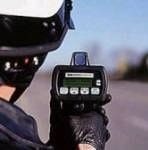 Bowling Green Police officers, Virginia State Police troopers, and other officers enforcing traffic laws in their jurisdictions may use radar, lidar, pacing, and other legally recognized methods to determine vehicle speed. Virginia Code § 46.2-882 governs various speed-determination devices and the admissibility of calibration evidence. The Commonwealth must establish the alleged speed through legally sufficient evidence. The particular method used can affect the testimony, calibration records, and other documentation needed at trial. Our Bowling Green VA speeding ticket attorneys examine the officer’s method of measurement, equipment, testing and calibration records, roadway conditions, and identification of the accused vehicle. The existence of a speed reading does not eliminate every potential evidentiary issue.
Radar Speed Evidence
Radar uses radio signals to determine vehicle speed. The officer may use stationary or moving radar depending on the equipment and enforcement circumstances.
Potential defense issues include officer training, proper operation of the equipment, testing procedures, calibration documentation, traffic conditions, and whether the reading was associated with the correct vehicle.
Lidar Speed Evidence
Lidar uses laser-based measurements to calculate vehicle speed. Its relatively narrow beam may assist with vehicle identification, but the prosecution must still establish that the measurement was properly obtained and attributable to the accused vehicle.
Relevant considerations may include the officer’s line of sight, distance, aiming technique, equipment testing, calibration records, and traffic conditions.
Police Vehicle Pacing
Pacing involves an officer estimating another vehicle’s speed by maintaining a relatively consistent distance while using the police vehicle’s speedometer.
Relevant considerations may include:
- Distance between the vehicles
- Whether the distance remained consistent
- Length and duration of the pace
- Whether the police vehicle was accelerating
- Traffic and roadway conditions
- Identification of the accused vehicle
- Accuracy of the police speedometer
- Applicable calibration documentation
A pacing case may raise different evidentiary issues from a radar or lidar prosecution.
Calibration and Accuracy Certificates
Virginia Code § 46.2-882 establishes requirements concerning the admissibility of calibration and accuracy certificates for qualifying speed-determination devices.
Calibration or testing of most qualifying speed-determination devices is valid for no longer than six months. Photo speed-monitoring devices are subject to a separate 12-month calibration or testing period under the statute.
The dates, contents, authentication, and relationship between the certificate and the device used may affect the evidence presented at trial.
The defense should evaluate the actual certificate and the applicable statutory requirements rather than assume that every speed measurement is automatically admissible.
Speedometer Calibration for Bowling Green VA Speeding Tickets
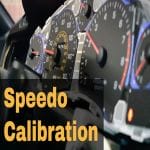 A motorist may believe that the vehicle was traveling more slowly than the speed alleged by the officer because the vehicle’s speedometer was inaccurate. A speedometer calibration compares the speed displayed by the vehicle with its actual measured speed. The resulting report may establish whether the speedometer was accurate or whether it displayed a speed different from the vehicle’s actual speed. Under Virginia Code § 46.2-942, the court must receive a qualifying sworn calibration report concerning the speedometer in the defendant’s vehicle or the arresting officer’s vehicle. The report must be considered when determining guilt or innocence and fixing punishment. Whether a calibration helps a Bowling Green speeding ticket case depends on the results, documentation, timing, and surrounding circumstances. For example, a calibration showing that a vehicle’s speedometer displayed 65 mph when the vehicle was actually traveling 70 mph may be relevant to the driver’s understanding of the vehicle’s speed. However, that evidence does not automatically require dismissal. Our Bowling Green speeding ticket lawyers evaluate whether calibration evidence should be obtained and how the results may affect the defense or mitigation.
Bowling Green VA School-Zone, Work-Zone and Residential Speeding
Virginia law provides additional requirements and potential penalties for speeding in certain specially regulated areas.
The prosecution may need to establish the location of the offense, applicable speed limit, required signage, operation of the zone, presence of highway workers, or other statutory elements.
School-Zone Speeding in Bowling Green VA
School crossing zones may have specially reduced speed limits when the zone is properly designated and operating under Virginia law.
Virginia Code § 46.2-873 establishes requirements concerning school crossing zones and their applicable speed limits. A school-zone speeding allegation may involve enhanced penalties.
Relevant issues may include whether the school crossing zone was operating, whether required signs or warning devices were properly displayed, the location of the alleged offense, and the method used to measure speed.
Bowling Green VA Highway Work-Zone Speeding
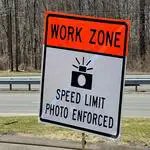 Highway construction and maintenance work may involve temporarily reduced speed limits, changing traffic patterns, lane restrictions, and enhanced enforcement. Virginia Code § 46.2-878.1 provides for a traffic infraction punishable by a fine of up to $500 for exceeding a specially established highway work-zone speed limit when workers are present and the work zone is indicated by appropriately placed signs displaying the speed limit and penalty. A work-zone speeding defense may involve whether the statutory conditions were satisfied, the actual location of the vehicle, the applicable signs, presence of workers, and reliability of the speed evidence.
Virginia Photo Speed-Monitoring Violations
Virginia Code § 46.2-882.1 authorizes photo speed monitoring in specified locations and circumstances, including qualifying highway work zones and school crossing zones.
A qualifying photo speed violation generally involves a vehicle traveling at least 10 mph above the posted limit and may carry a civil penalty of up to $100. For highway work-zone camera enforcement, the statute requires workers to be present at the time of the violation.
A summons issued by mail under the photo-monitoring provisions is generally treated differently from an ordinary officer-issued speeding conviction. Mailing a summons under this statute does not itself create an operator conviction on the person’s driving record or an insurance-reportable conviction. Different consequences may apply if an officer personally issues a summons at the time of the violation.
Defenses may involve the device’s calibration, recorded images, required warning signs, statutory location requirements, identification of the responsible operator, and compliance with applicable procedures.
Our Bowling Green speeding ticket attorneys can evaluate whether the particular citation was lawfully issued under the applicable statutory provisions.
Specially Posted Residential Speed Limits
Virginia law also permits enhanced penalties for speeding on certain specially posted highways in residential districts.
When the statutory conditions are satisfied, additional fines may apply. The location of the alleged violation, posted signs, speed limit, and precise Code section should be reviewed when determining whether an enhanced residential speeding provision applies.
Bowling Green VA Speed Enforcement Areas, Roads and Streets
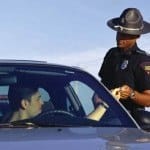 Bowling Green is an incorporated Virginia town served by U.S. Route 301, Route 207, Route 2, and a network of local streets around its historic downtown and courthouse area. Speed enforcement within Bowling Green may involve local police officers, while Virginia State Police and other law enforcement agencies patrol nearby highways and roads within their respective jurisdictions. The location of the alleged speeding offense matters. Roadway design, posted speed limits, school zones, traffic volume, visibility, curves, intersections, and the officer’s position may affect the prosecution’s evidence.
Interstate 95 Speeding Tickets Heard in Bowling Green VA
Interstate 95 passes approximately 10 to 11 miles west of Bowling Green. Although the interstate does not run through the town itself, some speeding cases arising on nearby portions of I-95 are heard in the Bowling Green courts.
Route 207 connects Bowling Green with Interstate 95 near Exit 104 in the Carmel Church area.
I-95 carries substantial interstate and commercial traffic. Speeding cases may involve radar, lidar, pacing, changing traffic conditions, construction zones, and allegations of excessive speed.
The precise stop location, alleged speed, posted limit, and officer’s method of enforcement may affect the defense.
Route 207 Speeding Tickets
Route 207 provides a major east-west connection between Bowling Green and the I-95 corridor. Motorists traveling between the interstate and Bowling Green commonly use this route.
Speeding allegations on Route 207 may involve changing speed limits, intersections, connecting roads, traffic conditions, and speed-measuring evidence.
U.S. Route 301 and the Bowling Green Bypass
U.S. Route 301 is an important north-south highway serving Bowling Green. The Route 301 bypass carries regional traffic around portions of the historic downtown.
Speed enforcement may involve higher-speed highway sections, intersections, connecting streets, and areas where posted limits change.
The specific roadway segment and location of the stop may affect the applicable speed limit and evidence needed to establish the charge.
Route 2, Main Street and Broaddus Avenue
Route 2 serves the Main Street corridor through Bowling Green. North Main Street, South Main Street, East Broaddus Avenue, and West Broaddus Avenue are among the town’s recognizable local streets.
Speeding cases arising on these roads may involve local speed limits, residential areas, business districts, traffic-control devices, intersections, and changing roadway conditions.
Bowling Green VA Local Streets and Landmarks
Bowling Green has a historic downtown, residential streets, local businesses, and government facilities. The local street network distinguishes Bowling Green from the broader I-95 highway corridor.
Recognizable Bowling Green streets and roads include:
- North Main Street
- South Main Street
- East Broaddus Avenue
- West Broaddus Avenue
- Ennis Street
- Courthouse Lane
- Milford Street
- Oak Ridge Street
- Maury Avenue
- Martin Street
- Chase Street
- Travis Street
- Butler Street
- U.S. Route 301
- Route 207
- Route 2
Local landmarks and recognizable locations include the Bowling Green Historic District, historic Main Street commercial area, Bowling Green Town Hall on Butler Street, the historic courthouse near Main Street and Courthouse Lane, the courthouse complex on Ennis Street, and the Historic Bowling Green Jail on North Main Street.
Speeding enforcement may occur on downtown streets, residential roads, business corridors, and connecting highways. Depending on the charge, the location can affect the speed limit, applicable statutory provisions, officer observations, and available evidence.
Bowling Green VA Speeding Ticket Court Process and Prepayment
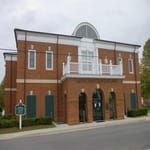 Most Bowling Green speeding ticket cases are heard in Caroline General District Court, located at 111 Ennis Street, Bowling Green, VA 22427. The summons should identify the charged statute, alleged speed, posted speed limit, court date, and law enforcement officer. Some ordinary speeding infractions may be eligible for prepayment. Prepaying a ticket is not merely paying an administrative fee. It generally constitutes a guilty plea and results in a conviction. A driver who prepays an eligible speeding charge generally receives the conviction and associated DMV consequences without appearing in court or contesting the evidence. Criminal reckless driving charges are treated differently and are not ordinarily eligible for prepayment. Before deciding whether to prepay a Bowling Green speeding ticket, the motorist should understand the precise charge, potential DMV points, driving-record consequences, insurance considerations, and whether defenses or mitigation may be available.
Virginia Uniform Summonses for Bowling Green Speeding Tickets
 A Virginia Uniform Summons is the document commonly issued following a traffic stop for speeding. Motorists often refer to this document as a speeding ticket or citation. The summons provides notice of the alleged offense and court information. Signing the summons is not an admission of guilt. The Code section identifies whether the charge is ordinary speeding, reckless driving by speed, or another traffic offense. A driver should review the actual statute rather than rely solely on the officer’s description or the document’s appearance. Our Bowling Green VA speeding ticket lawyers review the summons and circumstances of the alleged offense before recommending a defense strategy.
Contesting a Bowling Green VA Speeding Ticket
 A contested speeding case is generally tried before a judge in General District Court. The officer may testify concerning the speed limit, method of measurement, identification of the vehicle, and circumstances of the stop. Calibration certificates and other evidence may be introduced. Defense counsel may cross-examine the officer, object to evidence, present admissible documents or witnesses, and make legal arguments. The outcome depends on the evidence, applicable law, driver’s record, mitigating circumstances, and any available lawful amendment or alternative disposition.
Driver Improvement for Bowling Green VA Speeding Tickets
 Completion of a Virginia DMV-approved driver improvement clinic may be useful in some Bowling Green speeding ticket cases. A course may demonstrate corrective action and provide mitigation for the court. However, driver improvement does not automatically require dismissal or reduction of a charge. In some cases, completing the course before court may be appropriate; in others, an attorney may recommend different preparation. The driver’s history, alleged speed, charged statute, and circumstances should be evaluated before deciding whether to enroll.
Out-of-State Drivers With Bowling Green VA Speeding Tickets
 Many individuals charged with speeding violations heard in Bowling Green live outside Virginia. Motorists from Maryland, Delaware, Pennsylvania, New Jersey, New York, Connecticut, Massachusetts, North Carolina, South Carolina, Georgia, Florida, and other states frequently travel along Interstate 95 and nearby highways. A Virginia speeding conviction may be reported to the driver’s home licensing state. That state may apply its own rules concerning points, driving privileges, insurance, or other consequences. A driver should not assume that a speeding conviction will remain solely on the Virginia driving record. In some cases, a Bowling Green VA speeding ticket lawyer may be able to appear on behalf of the client or request that the client’s personal appearance be excused. Whether this is permitted depends on the charge, court requirements, facts, and judge. Retaining an attorney does not automatically eliminate the requirement to appear.
Commercial and Professional Drivers
A speeding conviction may have additional consequences for commercial drivers and other motorists whose employment depends on driving privileges.
Commercial drivers may face employer reporting requirements, licensing consequences, or different treatment of certain speeding violations.
A proposed reduction or amended charge that is favorable to an ordinary motorist may have different consequences for a commercial driver. The actual offense and proposed disposition should be reviewed before entering a plea.
What to Send Before Your Bowling Green VA Speeding Ticket Court Date
Before recommending a defense strategy, our Bowling Green VA speeding ticket lawyers review the summons and circumstances surrounding the alleged violation.
Helpful information may include:
- A copy of the speeding ticket or summons
- The court date and court location
- The exact Virginia statute charged
- The alleged speed and posted speed limit
- The location of the traffic stop
- A Virginia or out-of-state driving record
- Speedometer calibration, if obtained
- Driver improvement certificate, if completed
- Radar or lidar documentation, if available
- Photographs or dashcam recordings
- Witness information
- Insurance information, if relevant
- Commercial driver status, if applicable
- Any prior traffic or criminal history
Our attorneys use this information to evaluate possible defenses, mitigation, court appearance requirements, and available resolutions.
Bowling Green VA Speeding Ticket Lawyer Client Review

Bowling Green VA Speeding Ticket Lawyer FAQ
Do I need a lawyer for a Bowling Green VA speeding ticket?
Not every speeding ticket requires an attorney. Whether representation is advisable depends on the alleged speed, driving record, potential DMV points, insurance consequences, court requirements, and whether the driver is licensed in Virginia or another state. High-speed charges, commercial driver violations, and cases involving prior convictions may warrant particular attention.
Where are Bowling Green VA speeding tickets heard?
Most speeding tickets scheduled in Bowling Green are heard in Caroline General District Court at 111 Ennis Street, Bowling Green, VA 22427. The summons identifies the court and scheduled appearance information.
How many DMV points does a Bowling Green VA speeding ticket carry?
Virginia DMV generally assesses three points for ordinary speeding 1–9 mph above the posted limit, four points for speeding 10–19 mph above the limit, and six points for speeding 20 mph or more above the limit when the final conviction remains ordinary speeding. DMV points remain active for two years from the offense date, while ordinary speeding convictions generally remain on the driving record for five years.
When does speeding become reckless driving in Virginia?
Virginia Code § 46.2-862 defines reckless driving by speed as driving 20 mph or more above the applicable maximum speed limit or faster than 85 mph regardless of the posted speed limit. Reckless driving is generally a Class 1 misdemeanor rather than an ordinary traffic infraction.
Can I prepay a Bowling Green VA speeding ticket?
Some ordinary speeding infractions are eligible for prepayment. Prepaying generally constitutes a guilty plea and results in a conviction. Before paying, a driver should understand the DMV points, insurance consequences, and whether defenses or other dispositions may be available.
Can a Bowling Green VA speeding ticket lawyer appear in court for me?
In some speeding cases, an attorney may be permitted to represent a driver without the client’s personal attendance or may request that appearance be waived. Whether this is allowed depends on the charge, facts, court requirements, and judge. Hiring an attorney does not automatically excuse a required appearance.
How do police officers prove speeding in Bowling Green VA?
Officers may rely on radar, lidar, pacing, or other legally recognized methods of speed measurement. The Commonwealth must present legally sufficient evidence establishing the speed and identity of the accused vehicle. Calibration records, officer testimony, equipment operation, and surrounding traffic conditions may be important.
Can speedometer calibration help a Bowling Green VA speeding ticket case?
A qualifying speedometer calibration may establish that the vehicle’s displayed speed differed from its actual speed. Under Virginia Code § 46.2-942, the court must receive and consider qualifying sworn calibration evidence. Whether the results help depends on the amount and direction of the discrepancy and the other evidence.
Does Interstate 95 pass through Bowling Green VA?
No. Interstate 95 passes approximately 10 to 11 miles west of Bowling Green. Route 207 connects the town with I-95 Exit 104 near Carmel Church. Speeding cases arising on nearby portions of I-95 may nevertheless be scheduled in the Bowling Green courts.
Will a Bowling Green VA speeding ticket affect my out-of-state license?
It can. A Virginia speeding conviction may be reported to the driver’s home licensing state. That state may apply its own rules concerning points, driving records, license status, insurance, or other consequences. The particular charge and home-state laws should be reviewed before resolving the case.
Talk to a Bowling Green VA Speeding Ticket Lawyer
A speeding ticket in Bowling Green VA may result in DMV demerit points, increased automobile insurance premiums, driving-record consequences, or other complications. The available defenses and possible outcomes depend on the alleged speed, posted speed limit, enforcement method, evidence, driving history, and circumstances of the case. Our attorneys represent Virginia residents and out-of-state motorists charged with speeding violations heard in the Bowling Green courts. Request a confidential Bowling Green VA speeding ticket case review.
11/10/2015 | Updated 11/3/2026