
Yorktown VA Speeding Ticket Lawyer
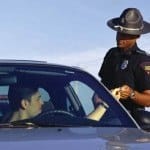 Riley & Wells Attorneys-At-Law represents Virginia and out-of-state drivers who receive speeding tickets and have court dates in Yorktown VA. Speeding cases may involve radar, lidar, pacing, or other speed-measurement methods, and the consequences of a conviction can depend on the alleged speed, posted limit, driving record, and exact offense charged. An ordinary speeding conviction can result in a fine, court costs, Virginia DMV demerit points, a conviction on the driving record, and possible insurance or employment consequences. At sufficiently high alleged speeds, a driver may be charged with criminal reckless driving rather than an ordinary speeding infraction. Our attorneys review the summons, alleged speed, posted speed limit, location of the stop, method of speed measurement, driving record, available evidence, and possible consequences before recommending how the case should be approached.







Yorktown Speeding Ticket Defense Guide
| Defense Services | Speeding Ticket Defense |
| DMV Points & Consequences | Speeding vs. Reckless Driving |
| Speed Evidence | Court Process & Prepayment |
| Yorktown Roads | Speeding Ticket FAQs |
Yorktown Defense Services
For broader statewide guidance, see our Virginia Speeding Ticket Lawyer page.
Speeding Ticket Defense in Yorktown VA
A speeding case with a court date in Yorktown begins with the exact charge shown on the Virginia Uniform Summons. Important information includes the alleged speed, posted speed limit, Virginia Code section, location of the stop, court date, law-enforcement agency, and method used to determine speed. Signing a Virginia Uniform Summons is generally not an admission of guilt. The summons provides notice of the charge and directs the driver how to respond. Some ordinary speeding infractions may be eligible for prepayment, while other circumstances may require or justify a court appearance. A Yorktown speeding ticket should be evaluated before deciding whether to prepay or contest the charge. Relevant issues can include:
- The alleged speed and posted speed limit
- The exact Virginia Code section charged
- Whether the charge is ordinary speeding or reckless driving
- Radar, lidar, pacing, or another speed-measurement method
- The location and circumstances of the stop
- The driver’s Virginia or out-of-state driving record
- Whether a court appearance is required
- Whether speedometer calibration or other evidence may be useful
- Possible reductions or mitigation
- DMV, insurance, employment, or commercial-driving consequences
Some cases involve a dispute over whether the Commonwealth can prove the alleged speed. Others may focus on the driver’s record, mitigation, or whether the facts support a different disposition.
Yorktown Speeding Fines, DMV Points and Other Consequences
A speeding conviction may result in more than the fine and court costs imposed in the traffic case. Virginia DMV assigns demerit points based on the particular speeding violation, and the conviction may remain on the driving record after the active demerit points are no longer being assessed.
For ordinary Virginia speeding convictions, current DMV classifications include:
| Speeding Violation | Virginia DMV Points | Conviction on DMV Record |
|---|---|---|
| 1–9 mph above the posted limit | 3 points | 5 years |
| 10–19 mph above the posted limit | 4 points | 5 years |
| 20 mph or more above the posted limit when convicted as speeding | 6 points | 5 years |
Possible consequences of a speeding conviction may include:
- A fine and court costs
- Virginia DMV demerit points
- A conviction appearing on the driving record
- Possible automobile-insurance consequences
- Possible driver-improvement requirements based on the driver’s record
- Employment consequences for professional drivers
- Commercial driver’s license concerns
- Home-state consequences for drivers licensed outside Virginia
DMV points are generally associated with the conviction rather than merely with issuance of the summons. Insurance companies use their own underwriting and rating practices, so insurance consequences do not necessarily correspond directly with the number of DMV points.
When Yorktown Speeding Can Become Reckless Driving
 Not every speed-based charge is an ordinary traffic infraction. Virginia Code § 46.2-862 provides that a driver may be charged with reckless driving for driving 20 miles per hour or more above the applicable maximum speed limit or faster than 85 miles per hour regardless of the applicable speed limit. Reckless driving by speed is a criminal misdemeanor rather than an ordinary speeding infraction. The summons should identify the actual offense and Virginia Code section charged. A driver should not assume that a high-speed allegation is simply a prepayable speeding ticket without examining the summons. The distinction matters because a reckless-driving conviction can carry criminal penalties and different DMV consequences from an ordinary speeding conviction. Factors that may affect the handling of a high-speed allegation include the alleged speed, posted limit, driving record, traffic conditions, measurement method, accident involvement, other charges, and available mitigation. For detailed information about criminal speed-based charges, see our Yorktown Reckless Driving Lawyer page.
Speed-Measurement Evidence in Yorktown Cases
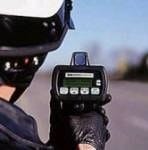 The Commonwealth must prove the charged speeding offense through admissible evidence. Depending on the case, the evidence may include an officer’s observations, the alleged speed, the posted limit, the method used to measure speed, and records offered to establish the accuracy of the equipment. Virginia law authorizes several methods of determining vehicle speed. The particular method used can affect which evidentiary and calibration issues are important.
Radar and Lidar Evidence
Police may use radar or laser speed-determination equipment to measure vehicle speed. A review of the evidence may include:
- The particular device used
- The identification of the target vehicle
- The officer’s position and line of sight
- Surrounding traffic
- The location and angle of measurement
- Testing and calibration documentation
- The method used to verify the accuracy of the equipment
Virginia Code § 46.2-882 addresses the admissibility of calibration and accuracy records for radar, laser, and other authorized speed-determination devices. Calibration or testing of covered non-photo devices is not valid for longer than six months.
Pacing Evidence
A law-enforcement officer may determine speed by pacing another vehicle. Relevant questions can include the distance and duration of the pace, whether the distance between the vehicles remained reasonably constant, surrounding traffic, and the accuracy of the patrol vehicle’s speedometer.
Aircraft, Time-Distance and Other Speed-Measurement Methods
Virginia law also recognizes certain time-distance and microcomputer methods of determining speed, including equipment used in authorized aircraft enforcement. The evidence required in a particular case depends on how the alleged speed was determined.
Posted Speed Limit and Location
The precise location of a speeding stop involving a court date in Yorktown may be important. The defense may consider:
- The posted speed limit at the location of the alleged violation
- Whether the speed limit changed before or near the measurement location
- Road signs and their placement
- Intersections, ramps, curves, and roadway configuration
- Construction or temporary traffic-control conditions
- The officer’s measurement position
- The location stated on the summons
Speedometer Calibration
 A driver’s speedometer calibration may be relevant when the vehicle’s speedometer was inaccurate. Virginia Code § 46.2-942 provides that a qualifying sworn report of a speedometer calibration test shall be received as evidence in a prosecution for exceeding a maximum speed limit and may be considered in determining guilt or innocence and punishment. A calibration is not automatically useful in every speeding case. The actual result, timing, admissibility, and relationship between the speedometer error and alleged speed should be considered before relying on it.
Yorktown Speeding Ticket Court Process and Prepayment
 Speeding cases with court dates at the Ballard Street court complex are generally heard in the General District Court. A driver may naturally think of the matter as a Yorktown speeding ticket case because the courthouse is physically located in Yorktown, even though the formal court name is the York County General District Court.
General District Court
300 Ballard Street
Yorktown, Virginia 23690
Prepaying a Yorktown Speeding Ticket
Some ordinary traffic infractions are eligible for prepayment. Under Virginia law, tendering payment for a qualifying prepayable traffic infraction is treated as a waiver of the court hearing and entry of a guilty plea.
Prepayment may eliminate the need for a court appearance in an eligible case, but it generally also results in a conviction being entered. That conviction may then be reported to DMV and may result in demerit points and other driving-record consequences.
Before prepaying a speeding ticket, a driver should understand:
- The exact offense being prepaid
- The alleged speed and posted limit
- The DMV point classification
- How long the conviction may remain on the driving record
- Whether the driver’s record creates additional concerns
- Possible employment or commercial-driving consequences
- Possible home-state consequences for a non-Virginia driver
Appearing in Court
When a driver contests the ticket or a court appearance is otherwise required, the Commonwealth may present evidence through the issuing officer or other witnesses. The defense may examine the evidence, question witnesses, present its own evidence, and offer appropriate mitigation.
Practical questions to resolve before the court date include:
- Whether the charge is prepayable
- Whether a personal appearance is required
- The exact court date and time
- Whether counsel may request permission to appear without the driver
- What evidence should be obtained
- Whether mitigation should be prepared
- How the disposition may affect an out-of-state license
Possible Reductions, Dismissals and Mitigation
The possible result in a Yorktown speeding case depends on the charged speed, evidence, driving record, circumstances of the stop, applicable law, and decisions made by the court and prosecution. No particular outcome can be guaranteed.
Depending on the case, possible outcomes may include:
- Dismissal of the charge
- A finding of not guilty
- Reduction of the alleged speed
- Amendment to another traffic offense
- Conviction as charged
- A fine and court costs
- Another legally available disposition based on the circumstances
Potential mitigation may include a favorable driving record, an appropriate driver-improvement course, a useful speedometer calibration, evidence concerning employment or commercial-driving consequences, or other circumstances relevant to the court’s evaluation.
A driver should not assume that a driver-improvement course, calibration, or other mitigation step is automatically helpful. The usefulness of a particular item depends on the facts of the individual case.
Speeding Tickets on Roads in the Yorktown Area
 Speeding allegations associated with Yorktown may arise on major roads serving the community as well as on smaller streets near the courthouse, Historic Yorktown, residential areas, businesses, and visitor destinations. U.S. Route 17 / George Washington Memorial Highway is a major traffic corridor serving the Yorktown area. Route 238 / Old Williamsburg Road, Goosley Road, Cook Road, Ballard Street, and other connecting roads carry local residents, employees, visitors, and motorists traveling to destinations in and around Yorktown. I-64 is a major regional travel route across the Virginia Peninsula and may also generate traffic cases with court dates in Yorktown. The precise location of a speeding allegation can affect the posted speed limit, signs, roadway configuration, traffic conditions, officer position, and method used to measure speed. A stop on a major divided highway may involve different evidence from a stop on a smaller road near Historic Yorktown, a residential area, business district, or visitor destination.
A speeding-case review may consider:
- The exact location stated on the summons
- The posted speed-limit signs
- Whether the speed limit changed along the route
- Whether a school, work, or other special speed zone was involved
- Traffic density and lane position
- Roadway grade, curves, intersections, and sight distance
- The officer’s position when speed was measured
- The distance and circumstances of any pacing evidence
Roads near Historic Yorktown and the waterfront may involve lower posted limits, intersections, pedestrian activity, parking, and visitor traffic that differ substantially from conditions on larger highways. Preserving the precise location shown on the summons can therefore be important when evaluating the evidence.
Out-of-State Drivers With Yorktown Speeding Ticket Court Dates
 Visitors and motorists traveling through the Virginia Peninsula may receive speeding tickets that result in court dates in Yorktown. A driver licensed outside Virginia should not assume that a Virginia traffic conviction will remain only in Virginia. The disposition may be reported to the driver’s home-state licensing authority, which determines the effect under its own laws and administrative rules. Insurance companies may separately consider the conviction. In an appropriate case, counsel may request that the court permit representation without the driver’s personal appearance. Whether that request is granted depends on the charge, circumstances, court requirements, and judge. Hiring an attorney does not automatically excuse a driver from attending court. A non-Virginia driver should provide a current home-state driving record when appropriate and identify any particular license, employment, or insurance concerns.
Professional and Commercial Drivers With Yorktown Speeding Tickets
A speeding conviction may have additional significance for a professional or commercial driver. Even a ticket received while operating a personal vehicle may affect employment policies, company insurance requirements, driving eligibility, or the driver’s overall record.
A commercial driver should identify CDL status at the beginning of the case review so that the potential consequences of any proposed disposition can be considered before the case is resolved.
Yorktown Speeding Ticket Client Reviews

What to Send for a Yorktown Speeding Ticket Case Review
Useful materials may include:
- The front and back of the summons
- The alleged speed
- The posted speed limit
- The exact location of the stop
- The court date and hearing information
- A current Virginia or home-state driving record
- Photographs of the road or speed-limit signs
- Dashboard-camera or other video
- GPS or vehicle information when relevant
- CDL or professional-driving information
- A speedometer-calibration report if already obtained
- A driver-improvement certificate if already completed
Yorktown Speeding Ticket Lawyer FAQs
What court handles speeding tickets with court dates in Yorktown?
Speeding cases with court dates at the Ballard Street court complex are generally heard in York General District Court at 300 Ballard Street, Yorktown, Virginia 23690. The Virginia Uniform Summons should identify the exact court date, charge, and instructions for responding.
Why does my summons say York if my court date is in Yorktown?
York General District Court is the formal name of the court, while the courthouse is located in Yorktown. This is why a driver may think of the matter as a Yorktown speeding ticket even though the summons uses the formal York court name.
Is a Virginia speeding ticket a criminal offense?
Ordinary speeding is generally a traffic infraction rather than a criminal offense. However, sufficiently high alleged speeds may be charged as reckless driving, which is generally a criminal misdemeanor in Virginia.
How many DMV points does a Virginia speeding ticket carry?
Virginia DMV currently classifies speeding 1–9 mph above the posted limit as a three-point violation, speeding 10–19 mph above the limit as a four-point violation, and speeding 20 mph or more above the limit when convicted as speeding as a six-point violation.
How long does a speeding conviction stay on a Virginia DMV record?
Virginia DMV currently lists ordinary speeding convictions in the 1–9 mph, 10–19 mph, and 20 mph or more categories as remaining on the driving record for five years. The active demerit-point period and the length of time a conviction remains visible on the DMV record are separate concepts.
When can speeding become reckless driving in Virginia?
Virginia Code § 46.2-862 provides that a driver may be charged with reckless driving for driving 20 miles per hour or more above the applicable maximum speed limit or faster than 85 miles per hour regardless of the applicable maximum speed limit.
Can I prepay a Yorktown speeding ticket?
Some ordinary speeding infractions are eligible for prepayment. Under Virginia law, tendering payment for a qualifying prepayable traffic infraction is treated as a waiver of the court hearing and entry of a guilty plea. A driver should understand the record and DMV consequences before deciding to prepay.
Does signing a Virginia Uniform Summons mean I admitted I was speeding?
No. Signing the summons is generally not an admission of guilt. It acknowledges receipt of the charging document and the obligation to respond according to its instructions.
How are speeding tickets with Yorktown court dates proven?
Evidence may include radar, lidar, pacing, officer testimony, time-distance measurements, calibration records, the posted speed limit, roadway signs, vehicle identification, video evidence, and other information concerning the location and circumstances of the stop.
Can radar or lidar evidence be challenged?
The relevance of a radar or lidar issue depends on the particular case. Potential questions may involve target identification, officer position, surrounding traffic, testing and calibration records, equipment accuracy, and whether the Commonwealth satisfies the legal requirements for the speed evidence.
What is pacing in a speeding case?
Pacing occurs when an officer follows a vehicle and compares its movement with the speed shown on the patrol vehicle’s speedometer. Relevant issues may include the duration and distance of the pace, whether the distance between the vehicles remained reasonably constant, traffic conditions, and the accuracy of the patrol vehicle’s speedometer.
Can a speedometer calibration help with a Yorktown speeding ticket?
A speedometer calibration may be relevant when the vehicle’s speedometer was inaccurate. Virginia law permits a qualifying sworn calibration report to be considered in determining guilt or innocence and punishment. Whether the evidence is helpful depends on the calibration result and circumstances of the individual case.
Can a Yorktown speeding ticket be reduced or dismissed?
That depends on the charged speed, evidence, driving record, circumstances of the stop, applicable law, and decisions made by the court and prosecution. Possible outcomes may include dismissal, a finding of not guilty, reduction of the speed or charge, or conviction as charged. No particular outcome can be guaranteed.
Can an out-of-state driver avoid returning to Virginia for a Yorktown speeding ticket?
In an appropriate case, an attorney may request permission to represent an out-of-state driver without the driver’s personal appearance. Whether the court permits that depends on the charge, circumstances, court requirements, and judge. A driver should not assume attendance is excused unless the court permits it.
Does a speeding ticket affect a commercial driver differently?
A speeding conviction may have additional employment, insurance, licensing, or company-policy consequences for a commercial or professional driver. CDL status should be identified when the case is reviewed so those concerns can be considered before the case is resolved.
Yorktown Speeding Ticket Case Review
If you have received a speeding ticket and have a court date in Yorktown, reviewing the summons, alleged speed, posted limit, driving record, location of the stop, speed-measurement method, and possible consequences can help identify the legal and practical issues before court. Contact us for a confidential case review with a Yorktown speeding ticket lawyer.
2/10/2022 | Updated 9/29/2026