
Franklin County VA Traffic Lawyer
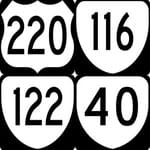
 Riley & Wells Attorneys-At-Law represents drivers facing reckless driving charges, speeding tickets, and other traffic violations in Franklin County, Virginia. Our Franklin County traffic lawyers defend criminal traffic misdemeanors and moving violations arising on U.S. Route 220, Virginia Routes 40, 116 and 122, and other roads throughout the county. A traffic case may begin with a Virginia Uniform Summons, arrest, accident investigation, or other law-enforcement action. Our attorneys review the exact charge, alleged speed, posted speed limit, police observations, RADAR or LIDAR evidence, driving record, court date, and possible consequences before recommending a defense strategy. We represent Virginia residents and out-of-state motorists charged with traffic offenses in Franklin County General District Court. A traffic summons is not a conviction, and each case should be evaluated according to its individual facts and evidence.







Franklin County Traffic Defense Guide
Franklin County Defense Services
For broader statewide guidance, see our Virginia Traffic Lawyers page.
Franklin County Traffic Defense Representation
 Traffic charges in Franklin County range from ordinary moving violations to criminal traffic misdemeanors and serious felony allegations. A case may begin with a Virginia Uniform Summons, arrest, accident investigation, or other law-enforcement encounter. Our Franklin County traffic lawyers represent drivers charged with reckless driving, speeding tickets, driving on a suspended or revoked license, improper passing, failure to obey traffic signals, following too closely, handheld-phone violations, and other traffic offenses. The first step in evaluating a traffic charge is identifying the exact Virginia Code section, alleged conduct, court date, location, and evidence supporting the allegation. Our attorneys review the summons or warrant, driving record, officer observations, alleged speed, posted speed limit, speed-measurement evidence, calibration records, available recordings, accident evidence, and witness accounts. An ordinary speeding ticket presents different legal issues from criminal reckless driving, a suspended-license allegation, or a traffic charge arising from an accident. The seriousness of the case and the appropriate defense depend on the particular offense and the evidence the Commonwealth must establish. Our attorneys represent Virginia residents and out-of-state motorists facing traffic charges throughout Franklin County, including incidents on U.S. Route 220, Virginia Routes 40, 116 and 122, and other highways and local roads.
Franklin County Traffic Defense Client Reviews

Traffic Charges We Defend in Franklin County
 Franklin County traffic cases involve different Virginia statutes, penalties, DMV consequences, and defense issues. Some violations are traffic infractions punishable by fines and court costs. Others are criminal offenses that may involve incarceration, license suspension, and additional consequences. The classification of a particular offense matters because it affects court procedures, the possible punishment, driving-record consequences, and whether the charge may be prepaid. Each Franklin County traffic case should be reviewed according to the charged offense, available evidence, driving record, and potential consequences.
Our attorneys represent motorists facing a broad range of traffic allegations in Franklin County.
- Reckless driving by speed
- Reckless driving generally
- Speeding tickets
- Driving on a suspended license
- Driving on a revoked license
- No valid driver’s license
- Hit and run
- Improper passing
- Following too closely
- Failure to obey traffic signs or signals
- Failure to move over
- Handheld mobile phone violations
- Accident-related traffic charges
- Commercial driver violations
Franklin County Reckless Driving Lawyer
 Reckless driving in Franklin County is a criminal traffic offense, not an ordinary speeding ticket. Virginia Code § 46.2-868 generally classifies reckless driving as a Class 1 misdemeanor. A Franklin County reckless driving charge may arise from excessive speed, the manner of driving, an accident investigation, or another alleged violation of Virginia’s reckless-driving statutes. Virginia Code § 46.2-862 establishes reckless driving by speed. A person may be charged with reckless driving for allegedly driving 20 miles per hour or more above the applicable maximum speed limit or for driving faster than 85 miles per hour regardless of the posted speed limit. For example, a driver accused of traveling 75 mph in a 55 mph zone meets the statutory 20-over threshold. Likewise, a driver accused of traveling 86 mph in a 70 mph zone exceeds the statutory 85 mph threshold. The Commonwealth must still establish the charged offense through legally sufficient evidence. Questions involving the alleged speed, posted limit, identification of the vehicle, method of measurement, and admissibility of evidence may be important to the defense. Virginia Code § 46.2-852 separately prohibits reckless driving generally, including driving in a manner or at a speed that endangers life, limb, or property. Other reckless-driving statutes address particular conduct or circumstances. A Franklin County reckless driving lawyer should evaluate the exact statute charged rather than assuming every reckless driving case involves excessive speed.
Penalties for Reckless Driving in Franklin County
A Class 1 misdemeanor reckless-driving conviction can carry a potential sentence of up to 12 months in jail and a fine of up to $2,500, subject to applicable Virginia law. The court may also impose a driver’s-license suspension in qualifying circumstances.
A reckless-driving conviction can result in six Virginia DMV demerit points for many commonly charged reckless-driving offenses and may affect automobile insurance, employment, professional licensing, security clearances, and future background checks.
Not every reckless-driving charge results in active incarceration or a license suspension. The potential consequences depend on the charge, alleged speed or conduct, driving history, accident circumstances, evidence, and other relevant factors.
An allegation involving substantially elevated speed, an accident, injury, prior reckless-driving convictions, or other aggravating circumstances may require particular attention to potential sentencing exposure.
Because reckless driving is a criminal offense, a driver should not treat the summons like an ordinary prepaid speeding ticket.
Defending Franklin County Reckless Driving Charges
A reckless-driving defense may involve examining the prosecution’s evidence, challenging a required element, seeking exclusion of improperly obtained evidence, preparing mitigation, or determining whether an amendment or reduction may be available.
Evidence relevant to a Franklin County reckless-driving case may include:
- RADAR or LIDAR speed readings
- Speed-measurement calibration records
- Pacing evidence and police vehicle speedometer information
- The alleged speed and posted speed limit
- Identification of the vehicle and driver
- Roadway conditions, signage and visibility
- Body-camera or dashboard-camera recordings
- Witness statements and accident evidence
- The driver’s prior record and license status
- Speedometer calibration and other mitigation evidence
The importance of each item depends on the statute charged and the circumstances of the alleged offense.
Some reckless-driving cases may present grounds to contest the allegation at trial. Others may involve negotiation, mitigation, or consideration of a legally authorized reduction to another offense.
Reckless Driving Reduction to Improper Driving
Virginia Code § 46.2-869 permits a reckless-driving charge to be reduced to improper driving when the legal requirements are satisfied.
Improper driving is a traffic infraction rather than a criminal misdemeanor. It carries different legal and driving-record consequences.
The statute addresses situations in which the degree of culpability is slight. A reduction is not automatic and depends on the facts, applicable law, and decisions made by the prosecutor or court.
A Franklin County reckless-driving lawyer can evaluate whether the evidence and circumstances support requesting improper driving or another permissible disposition.
Franklin County Reckless Driving Case Result: 80 MPH in a 55 MPH Zone
 Our attorneys represented an out-of-state motorist from North Carolina who was charged in Franklin County with reckless driving under Virginia Code § 46.2-862. A deputy sheriff alleged that the driver was traveling 80 mph in a 55 mph speed zone based on a RADAR measurement. Because the alleged speed was 25 mph above the posted limit, the charge was prosecuted as criminal misdemeanor reckless driving. Our attorneys appeared in Franklin County court on the client’s behalf and defended the allegation. The judge found our client NOT GUILTY of reckless driving. This result illustrates that a reckless-driving summons is an allegation rather than a conviction and that the evidence should be evaluated before determining how to proceed. Past results do not guarantee a particular outcome in another case.
Franklin County Speeding Ticket Lawyer
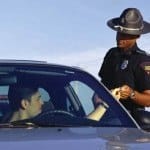 Speeding tickets are among the traffic violations issued on Franklin County highways and secondary roads. Our attorneys represent motorists accused of exceeding the posted speed limit on U.S. Route 220, Virginia Routes 40, 116 and 122, and other roads throughout Franklin County. Ordinary speeding is generally classified as a traffic infraction rather than a criminal offense. Nevertheless, a speeding conviction can lead to fines, court costs, Virginia DMV demerit points, automobile insurance consequences, and possible employment or licensing concerns. Virginia Code § 46.2-870 establishes general maximum speed limits, while other statutory provisions authorize different limits depending on the type of roadway, posted signs, and applicable circumstances. A Franklin County speeding ticket lawyer can examine the alleged speed, posted limit, applicable statute, law-enforcement evidence, court date, and driving record to determine whether factual or legal defenses may apply. Some cases involve speed allegations close to the reckless-driving threshold. Others involve ordinary speeding allegations that may still create significant consequences for motorists with prior tickets, commercial driving responsibilities, or out-of-state licenses. The appropriate strategy depends on the evidence, charge, driving history, and consequences of a possible conviction.
When a Franklin County Speeding Ticket Becomes Reckless Driving
Virginia distinguishes ordinary speeding violations from reckless driving by speed.
A driver accused of traveling 20 mph or more above the applicable speed limit, or faster than 85 mph regardless of the posted limit, may be charged under Virginia Code § 46.2-862.
For example, traveling 75 mph in a 55 mph zone or 86 mph in a 70 mph zone meets a statutory reckless-driving-by-speed threshold.
An ordinary speeding ticket generally carries traffic-infraction consequences, while reckless driving is a criminal offense with potentially more serious penalties.
A motorist should review the exact code section on the summons rather than assuming that a charge involving speed is automatically an ordinary traffic infraction.
Defending Speeding Tickets in Franklin County
Speeding cases may involve RADAR, LIDAR, pacing, police vehicle speedometers, or another legally recognized method of determining speed.
A Franklin County speeding defense may require examination of:
- The applicable speed limit and roadway signage
- The alleged speed and location of the stop
- RADAR or LIDAR operation and supporting records
- Calibration or testing documentation
- Pacing evidence and police vehicle speedometer accuracy
- Whether the correct vehicle was identified
- Traffic conditions and surrounding vehicles
- The officer’s observations and testimony
- Video or other available evidence
- The driver’s record and potential DMV consequences
Even if the evidence supports some degree of speeding, the defense may involve evaluating whether the charged speed can be challenged, whether a lawful reduction or amendment is possible, or whether mitigation may improve the available disposition.
A speeding ticket should be evaluated before the motorist decides to prepay or appear in court.
Should You Prepay a Franklin County Speeding Ticket?
Some Virginia traffic infractions may be prepaid without appearing in court. However, prepayment of an eligible traffic ticket generally constitutes a guilty disposition rather than simply payment of a bill.
A speeding conviction may be reported to DMV, result in demerit points, and affect automobile insurance or an out-of-state driving record.
Not every traffic charge is eligible for prepayment. Criminal reckless driving charges cannot be handled as ordinary prepaid speeding tickets.
Before prepaying a Franklin County speeding ticket, a driver should understand the exact offense, possible DMV consequences, insurance implications, and whether contesting the charge may be appropriate.
RADAR, LIDAR and Speed-Measurement Evidence in Franklin County
 Speed-measurement evidence is central to many Franklin County reckless-driving-by-speed and ordinary speeding cases. Virginia Code § 46.2-882 addresses the use of legally recognized speed-measurement devices and the admissibility of evidence concerning device accuracy. The Commonwealth may rely on RADAR or LIDAR measurements, officer testimony, calibration certificates, or other authorized evidence to establish the alleged speed. A Franklin County traffic lawyer should examine whether the evidence identifies the correct vehicle, whether the measurement is reliable, and whether the applicable statutory requirements have been satisfied. The defense may review calibration certificates, equipment records, officer testimony, testing procedures, traffic conditions, the location of the measurement, and the method used to determine speed. When pacing is involved, questions may concern the patrol vehicle, speedometer accuracy, distance, duration of observation, and reliability of the officer’s observations. Speedometer calibration of the accused driver’s vehicle may also be relevant in certain cases, particularly when the alleged speed is close to a statutory threshold. However, a speedometer calibration does not automatically establish a defense or require dismissal. The significance of any speed-measurement issue depends on the charge, available evidence, statutory requirements, and the facts of the particular case.
Traffic Enforcement and Major Roads in Franklin County
Franklin County is located in Virginia’s Blue Ridge foothills and contains incorporated towns, Census-designated places, rural communities, residential areas, commercial corridors, and communities surrounding Smith Mountain Lake.
The Franklin County Sheriff’s Office, Virginia State Police, and other law-enforcement agencies with jurisdiction may investigate or issue traffic charges depending on the location of the alleged violation.
Traffic enforcement can involve excessive speed, reckless driving, lane violations, improper passing, following too closely, traffic signals, license violations, and accident-related offenses.
The precise location of a traffic stop may affect the applicable speed limit, available evidence, road conditions, officer jurisdiction, and other defense issues.
U.S. Route 220 Traffic Tickets and Reckless Driving
U.S. Route 220 is an important north-south highway through Franklin County, connecting communities in the county with the Roanoke region to the north and Henry County to the south.
The corridor carries local residents, commuters, commercial traffic, and motorists traveling through the county.
Speeding and reckless-driving allegations may arise from RADAR or LIDAR measurements, observations of driving behavior, or traffic stops involving other alleged violations.
A charge arising along U.S. Route 220 should be evaluated according to the exact location, posted speed limit, alleged speed, method of measurement, and available evidence.
Virginia Routes 40, 116 and 122
Virginia Route 40 provides a major east-west connection through Franklin County. Virginia Routes 116 and 122 serve additional communities and transportation corridors within the county and surrounding region.
Traffic cases on these roads may involve rural highway conditions, intersections, changing speed limits, curves, commercial traffic, and local driving patterns.
Our Franklin County traffic lawyers defend speeding tickets, reckless-driving allegations, and other traffic charges arising on these routes and connecting secondary roads.
Franklin County Towns and Census-Designated Places
Franklin County includes the incorporated town of Boones Mill and six Census-designated places identified by the U.S. Census Bureau.
The six Franklin County Census-designated places are Ferrum, Henry Fork, North Shore, Penhook, Union Hall, and Westlake Corner.
Census-designated places are recognized statistical communities rather than incorporated towns. They are useful geographic references for identifying areas within Franklin County where residents and motorists may encounter traffic enforcement.
Boones Mill is located in the northern part of Franklin County along the U.S. Route 220 corridor.
Ferrum is located in western Franklin County and includes Ferrum College and nearby residential areas. Henry Fork is in the southern portion of the county. Penhook, Union Hall, North Shore, and Westlake Corner are associated with the county’s eastern and Smith Mountain Lake areas.
Other established communities include Burnt Chimney, Callaway, Glade Hill, Snow Creek, Wirtz, Fork Mountain, and Redwood.
Traffic cases may arise in any of these areas, including stops on primary highways, secondary roads, local streets, and routes connecting residential and commercial properties.
Franklin County communities include:
- Boones Mill
- Ferrum
- Henry Fork
- North Shore
- Penhook
- Union Hall
- Westlake Corner
- Burnt Chimney
- Callaway
- Glade Hill
- Snow Creek
- Wirtz
- Fork Mountain
- Redwood
Smith Mountain Lake Traffic Cases
The Smith Mountain Lake region includes residential, recreational, and commercial communities in eastern Franklin County.
Penhook, Union Hall, North Shore, Westlake Corner, Burnt Chimney, and nearby areas are connected by highways and local roads used by residents and visitors.
Traffic charges may arise from speeding allegations, accident investigations, improper passing, reckless driving, or other moving violations.
The relevant defense depends on the charged statute, circumstances of the stop, road conditions, available evidence, and court procedures rather than the location alone.
Distracted Driving and Other Franklin County Traffic Violations
 Virginia Code § 46.2-818.2 generally prohibits a driver from holding a handheld personal communications device while driving a moving motor vehicle on a highway, subject to statutory exceptions. A Franklin County traffic stop may therefore involve allegations concerning handheld mobile devices, following too closely, lane violations, improper passing, failure to obey signs or signals, or another alleged moving violation. Some violations are traffic infractions, while others may be criminal offenses depending on the statute and circumstances. A distracted-driving charge should be evaluated according to the particular conduct alleged, applicable statutory exceptions, officer observations, and available evidence. The defense may also consider whether an unlawful stop, mistaken identification, inconsistent testimony, or another factual or legal issue affects the prosecution’s case.
Franklin County Traffic Accident Charges
 Traffic accidents in Franklin County may lead to investigations concerning reckless driving, following too closely, failure to yield, improper passing, driving too fast for conditions, hit and run, or another alleged traffic offense. An investigating officer may arrive after the accident rather than personally witness the driving behavior that preceded the collision. The prosecution may rely on statements from the drivers, independent witnesses, photographs, physical evidence, vehicle damage, road markings, electronic data, or accident reconstruction. A Franklin County traffic accident defense may involve examining whether the evidence establishes the alleged violation, whether witnesses are reliable, and whether another explanation is consistent with the available facts. The existence of an accident does not automatically prove criminal reckless driving or another particular offense. The Commonwealth must establish the required elements of the charge. The defense strategy should account for the exact statute, alleged driving conduct, injuries or property damage when relevant, and the evidentiary basis for the accusation.
Franklin County Traffic Court and Court Process
Most ordinary adult speeding tickets, reckless-driving misdemeanors, and other qualifying traffic charges arising in Franklin County are heard in Franklin County General District Court.
The General District Court handles traffic infractions and misdemeanor traffic prosecutions within its jurisdiction. More serious felony allegations or appeals may involve Circuit Court under applicable Virginia procedures.
A traffic case may involve a first appearance, trial date, continuance, evidentiary motions, negotiated disposition, trial, or sentencing depending on the offense and circumstances.
Drivers should review the Virginia Uniform Summons, warrant, bond paperwork, or other official court notice to confirm the assigned court, hearing date, and appearance requirements.
Franklin County General District Court
275 South Main Street, Suite 111
Rocky Mount, Virginia 24151
Many Franklin County traffic matters proceed in General District Court, where the judge considers the relevant evidence, law, and arguments before deciding the charge.
The precise procedure depends on whether the offense is a traffic infraction, criminal misdemeanor, or another type of allegation.
A qualifying appeal from General District Court may proceed to Franklin County Circuit Court under the applicable Virginia statutes and deadlines.
Not every defendant is required to personally appear in every traffic matter. Whether an appearance may be excused or handled through counsel depends on the particular charge and court requirements.
Virginia Uniform Summons for Franklin County Traffic Charges
 A Virginia Uniform Summons is the charging document commonly issued during Franklin County traffic stops. Motorists often refer to the summons as a traffic ticket or citation. It identifies the alleged violation, applicable code section, assigned court, and scheduled hearing date. Signing a Virginia Uniform Summons is generally not an admission of guilt. The document provides notice of the charge and the driver’s obligation to respond as required. A summons may be issued for an ordinary traffic infraction or a criminal traffic misdemeanor such as reckless driving. Drivers should not assume that every offense listed on a Virginia Uniform Summons may be prepaid or handled without a court appearance. Before deciding how to respond, a Franklin County traffic lawyer can review the charge, court instructions, driver’s license status, available evidence, and possible consequences.
Important information on the summons may include:
- The exact Virginia Code section
- The alleged offense and description
- The alleged speed and posted speed limit
- The location of the traffic stop
- The law-enforcement agency and officer
- The assigned court and hearing date
- Appearance and response requirements
Out-of-State Drivers Charged in Franklin County
 Franklin County’s highways carry residents and visitors traveling between Virginia, North Carolina, and other states. Out-of-state motorists may receive Franklin County speeding tickets, reckless-driving summonses, or other traffic charges while traveling through the county. An out-of-state driver should consider both the Virginia court case and the potential consequences in the driver’s home licensing state. A conviction may be reported to another state’s motor vehicle agency and may affect driving privileges, insurance, or employment depending on the applicable laws and reporting practices. Whether an out-of-state driver must personally return to Franklin County for court depends on the charged offense, court instructions, and the circumstances of the case. In some cases, an attorney may be permitted to appear without the driver’s personal attendance. In others, particularly serious criminal traffic matters, the court may require the defendant to appear. Our Franklin County traffic lawyers can review the summons, license status, alleged offense, court date, and appearance requirements before advising a client about the appropriate course of action. An out-of-state driver should not assume that paying a ticket will have no consequences in the home state.
Driver Improvement, Driving Records and Mitigation
 A driver’s record and mitigation evidence may be relevant in some Franklin County speeding and reckless-driving cases. Depending on the charge and circumstances, potentially useful preparation may include obtaining a driving record, completing an appropriate driver-improvement course, obtaining a speedometer calibration, or gathering other documentation. Virginia’s Driver Improvement Program provides approved instruction concerning driving laws, safety, and defensive-driving practices. Under qualifying circumstances, course completion may have significance for driving records or court proceedings. However, completing a driver-improvement course does not automatically result in dismissal or reduction of a Franklin County traffic charge. A driver should generally determine the defense strategy before completing courses or obtaining mitigation materials so the preparation addresses the actual issues in the case. Mitigation may also involve evidence concerning employment, professional driving requirements, driving history, corrective action, or other legally relevant considerations. The appropriate approach depends on the offense, evidence, client circumstances, and available legal options.
Consequences of a Franklin County Traffic Conviction
 The consequences of a Franklin County traffic conviction depend on the offense, prior driving record, license status, and applicable Virginia law. An ordinary speeding conviction may result in a fine, court costs, Virginia DMV demerit points, and possible automobile insurance consequences. Reckless driving is generally a Class 1 misdemeanor and may involve substantially greater consequences, including possible incarceration and driver’s-license suspension. Virginia DMV assigns three, four, or six demerit points to qualifying traffic convictions depending on the particular violation. Many reckless-driving offenses carry six demerit points, while speeding violations can carry different point assignments based on the offense. The points associated with a violation and the length of time a conviction remains on a DMV driving record are separate matters. Out-of-state drivers may also experience consequences imposed by their home licensing state.
Depending on the charge, possible consequences may include:
- Fines and court costs
- Virginia DMV demerit points
- Driver’s-license suspension or revocation
- Incarceration for certain criminal offenses
- A criminal misdemeanor or felony conviction
- Automobile insurance consequences
- Employment or professional licensing concerns
- Commercial driver’s-license consequences
- Security-clearance concerns when applicable
- Home-state licensing consequences
The exact offense should be reviewed before a driver decides whether to prepay a ticket, seek a negotiated disposition, or contest the charge.
How a Franklin County Traffic Lawyer Builds a Defense
 Traffic defense begins with the exact statute, the elements the Commonwealth must establish, and the evidence supporting the charge. A speeding case may turn on the accuracy and admissibility of speed-measurement evidence. A reckless-driving case may involve the alleged speed, manner of driving, criminal classification, and potential consequences. A traffic accident case may require examination of witness accounts, physical evidence, photographs, video, and whether the alleged driving conduct satisfies the charged offense. Depending on the circumstances, our Franklin County traffic lawyers may review the Virginia Uniform Summons, police reports, body-camera recordings, dashboard-camera recordings, calibration certificates, speedometer evidence, roadway signs, accident diagrams, driving records, and statements attributed to the motorist. The legal issues may include whether the correct driver or vehicle was identified, whether the speed evidence is reliable, whether a traffic stop was lawful, whether the alleged conduct satisfies the statute, and whether the available evidence is admissible. Some Franklin County traffic cases may be best addressed through trial or an evidentiary challenge. Others may involve negotiation, amendment to another offense, mitigation, or another legally authorized resolution. The goal is to determine the most appropriate defense strategy based on the law, facts, evidence, possible penalties, and client’s circumstances.
What to Send for a Franklin County Traffic Case Review
The Virginia Uniform Summons, driving record, and a clear description of the traffic stop can help identify the charge, court date, possible defenses, and preparation requirements.
Useful materials may include:
- The Virginia Uniform Summons or warrant
- The exact charge and Virginia Code section
- The alleged speed and posted speed limit
- The court date and assigned court
- The location of the alleged violation
- A current driving record
- Photographs or video recordings
- Witness names and contact information
- Accident reports when available
- Speedometer or vehicle information
- Commercial driving or licensing concerns
- A written account of the traffic stop
Relevant photographs, recordings, and electronic evidence should be preserved in their original form.
Frequently Asked Questions About Franklin County Traffic Charges
These answers address common questions concerning Franklin County reckless-driving charges, speeding tickets, traffic court, DMV consequences, and out-of-state drivers.
What traffic charges does a Franklin County traffic lawyer handle?
Our attorneys represent drivers facing reckless driving, speeding tickets, suspended-license allegations, improper passing, following too closely, handheld-phone violations, accident-related traffic offenses, and other moving violations. The defense depends on the exact charge, evidence, driving history, and possible consequences.
Is reckless driving a criminal offense in Franklin County?
Yes. Virginia generally classifies reckless driving as a Class 1 misdemeanor rather than an ordinary traffic infraction. A conviction may involve fines, possible jail, driver’s-license suspension, DMV demerit points, and other consequences. The exact exposure depends on the offense and circumstances.
What speed qualifies as reckless driving in Franklin County?
Virginia Code § 46.2-862 provides for reckless driving by speed when a motorist drives 20 miles per hour or more above the applicable maximum speed limit or faster than 85 miles per hour regardless of the posted speed limit. Other reckless-driving statutes address different conduct.
Can a Franklin County reckless-driving charge be reduced to improper driving?
Possibly. Virginia Code § 46.2-869 permits a reckless-driving charge to be reduced to improper driving when the applicable legal requirements are satisfied. Improper driving is a traffic infraction rather than a criminal misdemeanor. Whether a reduction is available depends on the facts, evidence, and decisions of the prosecutor or court.
Is a Franklin County speeding ticket a criminal charge?
Ordinary speeding is generally a traffic infraction rather than a criminal offense. However, sufficiently high speed may be charged as reckless driving by speed, which is a criminal misdemeanor. The exact Virginia Code section on the summons determines the charged offense.
Should I prepay my Franklin County speeding ticket?
Not necessarily. Prepayment of an eligible traffic infraction generally results in a guilty disposition and may create DMV points, insurance consequences, or other driving-record issues. Reckless driving cannot be prepaid as an ordinary speeding ticket. The charge and possible consequences should be reviewed before deciding how to respond.
Can RADAR or LIDAR evidence be challenged in Franklin County traffic court?
Potentially. Speed-measurement evidence may raise questions involving the accuracy and operation of the device, calibration records, identification of the correct vehicle, officer observations, and compliance with Virginia law. Whether a challenge is available depends on the evidence and circumstances of the case.
Where are Franklin County traffic cases heard?
Most ordinary adult traffic infractions and misdemeanor traffic charges are heard in Franklin County General District Court at 275 South Main Street, Suite 111. The summons or other court paperwork should be reviewed to confirm the assigned court, date, and appearance requirements.
Do I have to appear in court for a Franklin County traffic charge?
That depends on the charged offense and the court’s requirements. Some traffic infractions may be prepaid, and certain cases may permit an attorney to appear without the driver’s personal attendance. More serious criminal traffic matters may require a personal appearance. The court instructions and exact charge should be reviewed before making travel plans.
Can an out-of-state driver hire a Franklin County traffic lawyer?
Yes. Our attorneys represent out-of-state motorists facing Franklin County speeding tickets, reckless-driving charges, and other traffic violations. A Virginia conviction may affect the driver’s home-state record or licensing privileges depending on applicable law. Whether the motorist must personally return for court depends on the charge and court requirements.
Can a Franklin County speeding or reckless-driving charge be dismissed?
Some traffic charges may be dismissed, reduced, or amended depending on the statute, evidence, procedural issues, driver history, prosecutorial decisions, and court rulings. No particular outcome is guaranteed. A case review can help identify whether factual, legal, or mitigation arguments may be available.
What towns and Census-designated places are in Franklin County?
Boones Mill is an incorporated town in Franklin County. The six Census-designated places are Ferrum, Henry Fork, North Shore, Penhook, Union Hall, and Westlake Corner. Other communities include Burnt Chimney, Callaway, Glade Hill, Snow Creek, Wirtz, Fork Mountain, and Redwood. Traffic charges may arise throughout the county on U.S. Route 220, Virginia Routes 40, 116 and 122, and local roads.
Franklin County Traffic Defense Case Review
If you have been charged with reckless driving, speeding, or another traffic violation in Franklin County, reviewing the summons, alleged facts, available evidence, driving record, court date, and possible consequences can help identify the appropriate next steps. Our attorneys represent Virginia residents and out-of-state drivers facing traffic charges throughout Franklin County. We review the exact offense, court requirements, speed-measurement evidence, possible defenses, and practical options before advising clients how to proceed. Contact us for a confidential case review with a Franklin County traffic lawyer.
2/22/2025 | Updated 10/18/2026