Henrico County Shoplifting Lawyer

Best Law Firm 2025 Riley & Wells Attorneys-at-LawRiley & Wells Attorneys-At-Law represents clients charged with shoplifting and related retail-theft offenses in Henrico County, Virginia. Virginia Code § 18.2-103 covers conduct such as concealing or taking merchandise, altering price tags or transferring merchandise between containers when done with the required intent. Shoplifting involving merchandise valued at less than $1,000 is punished as petit larceny, while merchandise valued at $1,000 or more is punished as grand larceny. Our attorneys review surveillance video, loss-prevention observations, receipts, self-checkout records, statements and other evidence that may affect the charge.

Bad Things Can Happen To Good People.
Experienced attorneys. Case review available.
30,000+ Clients Represented  |  1,500+ Five-Star Reviews  |  60+ Years Combined Experience

Henrico Shoplifting Defense Guide

Virginia Shoplifting Law Shoplifting Penalties
What Counts as Shoplifting Concealment & Intent
Self-Checkout Cases Petit vs. Grand Larceny
Merchant Detention Common Shoplifting Defenses
Henrico Court Process Henrico Shoplifting FAQs

Henrico Defense Services

For broader statewide guidance, see our Virginia Shoplifting Lawyer page.

Shoplifting Under Virginia Law

Virginia Code § 18.2-103 addresses several forms of retail theft. The statute applies when a person acts without authority and with the intent to convert merchandise to his or another person’s use without paying the full purchase price, or with the intent to defraud the owner of the value of the merchandise.

Shoplifting under § 18.2-103 can include:

  • Willfully concealing merchandise;
  • Taking possession of merchandise with the required intent;
  • Altering a price tag or other price marking;
  • Transferring merchandise from one container to another; or
  • Counseling, assisting, aiding or abetting another person in committing specified shoplifting conduct.

The fact that merchandise was not paid for does not by itself answer every issue in a shoplifting prosecution. The Commonwealth must prove conduct covered by the statute together with the required criminal intent.

What Can Count as Shoplifting in Henrico County?

A shoplifting allegation does not always involve someone placing merchandise inside clothing or a bag and walking out of a store.

Virginia’s shoplifting statute reaches several types of conduct. Cases may involve alleged concealment, taking possession of merchandise, changing or switching price labels, transferring merchandise into another container, assisting another person or intentionally failing to pay the full purchase price.

The precise facts matter. A person who deliberately conceals merchandise intending not to pay presents a different case from a customer who overlooks an item, misunderstands a self-checkout prompt, accidentally places merchandise in a bag or otherwise lacks the intent required by the statute.

Concealment and Intent in a Virginia Shoplifting Case

Intent is frequently one of the most important issues in a shoplifting prosecution.

Virginia Code § 18.2-103 provides that willful concealment of store merchandise while still on the premises is prima facie evidence of an intent to convert the merchandise and defraud the owner of its value.

As a result, the Commonwealth does not necessarily have to prove that a person walked out of the store or passed every cash register before a shoplifting accusation can arise.

The word willful, however, matters. The circumstances surrounding the alleged concealment should be examined to determine whether the conduct was intentional and whether the evidence establishes the intent required by the statute.

Relevant circumstances may include:

  • Where the merchandise was located;
  • How and when it allegedly became concealed;
  • The person’s conduct before and after the alleged concealment;
  • Surveillance video;
  • Statements to store employees or police;
  • Receipts and payment records;
  • Whether other merchandise was properly purchased; and
  • Any explanation for why the item was not paid for.

Henrico Self-Checkout and Skip-Scanning Shoplifting Cases

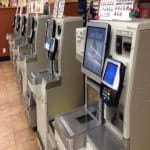
Henrico County Shoplifting Lawyer for Self-Checkout CasesSelf-checkout technology has created a category of shoplifting cases in which the central issue may be whether an item was deliberately not scanned or whether a checkout error, distraction, scanner problem or mistake occurred. Retailers may use overhead cameras, register cameras, barcode records, weight sensors, transaction histories, employee observations and other technology to identify suspected skip-scanning. A missed scan does not necessarily establish criminal intent. The Commonwealth still must prove that the accused acted with the intent required by Virginia’s shoplifting statute.

Important evidence in a self-checkout case may include:

  • Complete surveillance video rather than isolated screenshots;
  • The transaction receipt;
  • Register and barcode data;
  • Whether other merchandise was scanned and paid for;
  • Scanner or checkout errors;
  • Employee interactions during the transaction;
  • The location of the allegedly unpaid item;
  • The accused’s conduct during and after checkout; and
  • Statements made to loss-prevention personnel or police.

The entire transaction should be reviewed in context before concluding that an unscanned item resulted from an intentional effort to steal.

Shoplifting Penalties in Virginia

Virginia Code § 18.2-103 determines whether shoplifting is punished as petit larceny or grand larceny based principally on the value of the merchandise involved.

When the value of the merchandise is less than $1,000, the offense is petit larceny. Petit larceny is a Class 1 misdemeanor and may be punished by up to 12 months in jail, a fine of up to $2,500, or both.

When the value of the merchandise is $1,000 or more, the offense is grand larceny. Grand larceny is a felony punishable by imprisonment for one to 20 years, although Virginia law also permits the court or jury in an appropriate case to impose confinement in jail for up to 12 months, a fine of up to $2,500, or both.

A shoplifting conviction may also affect employment, professional licensing, security clearance, immigration consequences in appropriate cases, educational opportunities and background checks.

Shoplifting: Petit Larceny vs. Grand Larceny

The $1,000 merchandise-value threshold can determine whether a shoplifting allegation is a misdemeanor or felony.

If the value is less than $1,000, § 18.2-103 provides that the person is guilty of petit larceny. See our Henrico Petit Larceny Lawyer page for a broader discussion of misdemeanor larceny.

If the value is $1,000 or more, the statute provides that the person is guilty of grand larceny. See our Henrico Grand Larceny Lawyer page for information about felony larceny charges.

When the classification depends on value, the evidence establishing the value of the merchandise should be reviewed carefully.

Evidence Used in Henrico Shoplifting Cases

Retail shoplifting cases can generate substantial amounts of evidence before police ever arrive.

Depending on the store and allegations, evidence may include:

  • Store surveillance video;
  • Self-checkout or register video;
  • Receipts and transaction records;
  • Barcode and point-of-sale data;
  • Loss-prevention reports;
  • Statements by store employees;
  • Statements attributed to the accused;
  • Police body-camera footage;
  • Photographs of merchandise;
  • Evidence concerning merchandise value;
  • Electronic payment records; and
  • Evidence showing where merchandise was found or recovered.

One of the important questions is whether the available evidence shows the entire event or only selected portions of it. Video should be evaluated together with transaction records, witness accounts and other circumstances rather than viewed in isolation.

Merchant Detention and Police Questioning

Henrico Shoplifting Merchant Detention and Police QuestioningVirginia Code § 18.2-105.1 permits a merchant, an agent of the merchant or an employee who has probable cause to believe a person shoplifted on the merchant’s premises to detain that person for a period not exceeding one hour while awaiting the arrival of a law-enforcement officer. Loss-prevention personnel may ask the suspected customer to accompany them to another area of the store and may ask questions about what occurred. Statements made during these encounters can later become evidence. If law enforcement responds, officers may also question the accused. Whether constitutional protections such as Miranda apply to particular police questioning depends on the circumstances, including whether the person was in custody and subjected to interrogation. A person accused of shoplifting should be careful about making admissions or attempting to explain away an allegation without understanding how those statements may later be used.

Common Defenses in Henrico Shoplifting Cases

The available defense depends on the evidence and circumstances of the particular allegation.

Lack of Criminal Intent

Shoplifting requires the statutory intent to convert merchandise without paying the full purchase price or to defraud the owner of its value. An accident, mistake, distraction or other innocent explanation may raise a significant issue concerning intent.

Self-Checkout Error or Missed Scan

An unpaid item discovered during or after a self-checkout transaction does not necessarily establish that the failure to scan was deliberate. Video, transaction records, the number of items purchased, scanner behavior and the person’s conduct may all be relevant.

No Willful Concealment

The prosecution may contend that placement of merchandise in a bag, stroller, cart, clothing or other location constituted concealment. The defense can examine whether the concealment was actually willful and what the surrounding circumstances show about intent.

Mistaken Identity

Surveillance footage or employee observations may not always clearly establish the identity of the person alleged to have committed the offense. Identification evidence should be examined carefully.

Proof of Payment

Receipts, electronic-payment records, register records and other documentation may show that merchandise was paid for or that the store’s account of the transaction is incomplete.

Incorrect Merchandise Value

Value determines whether a § 18.2-103 offense is punished as petit or grand larceny. The prosecution’s evidence of value may therefore become particularly important when the alleged merchandise approaches the $1,000 threshold.

Incomplete or Misleading Surveillance Evidence

A short video clip may not show what happened before or after the conduct relied upon by loss prevention. Complete surveillance footage may provide important context.

Conflicting Witness Accounts

Store employees, loss-prevention personnel and other witnesses may have different recollections of what happened. Reports, video, contemporaneous statements and other evidence can be compared against witness testimony.

Statements and Admissions

An alleged confession or admission should be evaluated in context. Questions may arise concerning exactly what was said, who heard it, whether it was recorded, the circumstances of police questioning and whether the statement actually establishes the elements of the offense.

Possible Outcomes and Mitigation

Shoplifting cases can be resolved in different ways depending on the evidence, the defendant’s criminal history, the value of the merchandise, whether the property was recovered, available defenses and the positions of the Commonwealth and the court.

Some cases may present a factual or legal basis for dismissal or acquittal. Other cases may involve negotiations concerning the charge, punishment, restitution, community service, good behavior or other terms.

The defense should evaluate the strength of the Commonwealth’s case before deciding whether the appropriate strategy is litigation, negotiation, mitigation or another available course.

Henrico Courts and What to Expect

Henrico County Court for Shoplifting CasesAdult misdemeanor shoplifting charges are ordinarily handled in the Henrico County General District Court. A case may involve an arraignment or advisement, discovery, negotiations, motions and trial. When the merchandise value makes the charge grand larceny, the case is a felony and may involve a preliminary hearing in General District Court followed by proceedings in the Henrico County Circuit Court. The charging document should be reviewed to identify the exact statute, alleged value, offense classification, court date and other important information.

What to Send for a Shoplifting Case Review

Helpful information may include:

  • The summons, warrant or other charging document;
  • The scheduled Henrico court date;
  • Store receipts;
  • Credit-card, debit-card or electronic-payment records;
  • Any paperwork provided by loss prevention;
  • Photographs or video relating to the incident;
  • Information concerning the self-checkout transaction, if applicable;
  • Names of witnesses who were present;
  • Any written or recorded statement attributed to the accused; and
  • Other paperwork provided by police, a magistrate or the court.

Potentially relevant evidence should be preserved. Do not alter or delete receipts, photographs, video, text messages, payment records or other information relating to the allegation.

Frequently Asked Questions About Henrico Shoplifting Charges

What is shoplifting under Virginia law?

Virginia Code § 18.2-103 prohibits specified conduct involving store merchandise when done without authority and with the intent to convert the merchandise without paying the full purchase price or to defraud the owner of its value. The statute covers conduct including willful concealment, taking possession, altering price markings, transferring merchandise between containers and assisting another person in specified acts.

Do I have to leave the store to be charged with shoplifting?

No. Virginia law provides that willful concealment of merchandise while still on store premises is prima facie evidence of the intent specified in § 18.2-103. A shoplifting allegation can therefore arise before a person leaves the store.

Is shoplifting a misdemeanor or felony in Virginia?

It depends principally on the value of the merchandise. Under § 18.2-103, merchandise valued at less than $1,000 results in petit larceny, while merchandise valued at $1,000 or more results in grand larceny.

What is the penalty for misdemeanor shoplifting?

Shoplifting involving merchandise valued at less than $1,000 is punished as petit larceny, a Class 1 misdemeanor. A Class 1 misdemeanor can carry up to 12 months in jail, a fine of up to $2,500, or both.

Can an accidental self-checkout mistake be shoplifting?

An accidental failure to scan an item is different from deliberately failing to pay for merchandise. The Commonwealth must establish the intent required by § 18.2-103. Surveillance video, transaction records, receipts, scanner information and the circumstances of the checkout may be important.

Can a store detain someone suspected of shoplifting?

Virginia Code § 18.2-105.1 permits a merchant, agent or employee with probable cause to believe a person shoplifted on the premises to detain the person for up to one hour while awaiting law enforcement.

Can loss-prevention statements be used in court?

Statements made to store loss-prevention personnel may become evidence in a criminal case. Statements to law enforcement may also become evidence, subject to applicable constitutional rules and the circumstances under which the statements were obtained.

What evidence is commonly used in a shoplifting case?

Evidence may include surveillance video, self-checkout recordings, receipts, transaction data, loss-prevention reports, witness statements, body-camera footage, photographs, merchandise-value evidence and statements attributed to the accused.

Can a Henrico shoplifting charge be dismissed?

Possibly. The outcome depends on the evidence, intent, value, identification, surveillance footage, witness credibility, statements, available defenses, criminal history and other circumstances of the case.

Where are Henrico shoplifting charges heard?

Adult misdemeanor shoplifting charges are ordinarily heard in Henrico County General District Court. Felony grand-larceny shoplifting cases may proceed through General District Court and ultimately to Henrico County Circuit Court.

Request a Confidential Henrico Shoplifting Case Review

Virginia Super Lawyers 2025 Riley & Wells Attorneys-At-LawIf you have been charged with shoplifting in Henrico County, early review can help determine what the store claims occurred, whether the Commonwealth can prove the required intent, what the surveillance and transaction records show and whether self-checkout error, identification, value, statements or other defense issues may affect the case. Our attorneys represent clients facing misdemeanor and felony shoplifting allegations in Henrico County. Contact us for a confidential case review and include the name on the summons or warrant, the court date, the exact charge and a copy or photograph of the available paperwork.

6/1/2021 | Updated 9/1/2026