
Henrico County Alcohol Violations Lawyer
 Virginia law creates a number of criminal offenses involving alcoholic beverages under Title 4.1 and Title 18.2. In Henrico County, alcohol-related charges can involve providing alcohol to someone under 21, prohibited alcohol sales, public drinking or intoxication, fake identification, underage alcohol violations, and alcohol-related driving offenses. The precise charge matters because Virginia’s alcohol laws cover substantially different conduct and carry different penalties. Depending on the allegation, a case may involve the accused’s knowledge or intent, the age of another person, identification used to purchase alcohol, where the conduct occurred, statements to police, surveillance footage, receipts, electronic communications, or other evidence. Our Henrico alcohol violation lawyers review the specific statute charged, the Commonwealth’s evidence, police encounters, identification and age issues, driver’s-license consequences, and defenses that may apply. Riley & Wells Attorneys-At-Law represents clients facing misdemeanor and other alcohol-related criminal charges in Henrico County.







Henrico Alcohol Violations Defense Guide
Henrico Defense Services
- Henrico County VA Overview
- Henrico Criminal Defense Lawyer
- Henrico Underage Possession of Alcohol Lawyer
- Henrico DUI / DWI Lawyer
- Henrico Ignition Interlock Violation Lawyer
For broader statewide guidance, see our Virginia Criminal Defense Lawyer page.
Alcohol Violations in Henrico County
Virginia alcohol-related criminal offenses are found in several statutes and can involve conduct substantially different from driving under the influence. A Henrico alcohol case may involve providing alcohol to a person under 21, an unlawful sale, drinking in a public place, public intoxication, false identification, underage possession or consumption, or other prohibited conduct involving alcoholic beverages.
Depending on the allegation, a case may arise from an investigation by Henrico Police, Virginia Alcoholic Beverage Control Authority special agents, Virginia State Police, campus police, or another law-enforcement agency.
The exact statute charged matters. Different alcohol offenses have different elements, misdemeanor classifications, driver’s-license consequences, statutory exceptions, and defenses. The circumstances that matter in a prohibited-sale case, for example, can be very different from those involved in public intoxication or an underage alcohol charge.
Providing Alcohol to a Person Under 21 — Virginia Code § 4.1-306
Virginia Code § 4.1-306 prohibits certain purchases and transfers of alcoholic beverages to people who may not lawfully receive them.
Under subsection A1, a person generally may not purchase for, give, provide, or assist in providing alcoholic beverages to another person when the accused knows or has reason to know that the recipient is under 21, subject to statutory exceptions.
A violation is a Class 1 misdemeanor. In addition to other punishment authorized by law, a person convicted under § 4.1-306 must have his or her driver’s license suspended for a period of not more than one year. The court may authorize restricted driving privileges when the statutory requirements are satisfied.
A furnishing-alcohol allegation may arise from circumstances such as:
- An adult or older friend allegedly purchasing alcohol for someone under 21;
- Alcohol allegedly provided at a party or gathering;
- Someone allegedly delivering alcohol to an underage person;
- Several people allegedly contributing money toward an alcohol purchase;
- An adult allegedly making the purchase while another person receives the alcohol; or
- Electronic communications or payment records concerning an alleged purchase.
Relevant evidence can include receipts, store surveillance, text messages, payment applications, witness statements, photographs, admissions, and evidence identifying who actually purchased or provided the alcohol.
The statute contains exceptions, so the particular circumstances should be compared with the current statutory language before determining whether § 4.1-306 applies.
Illegal Sale of Alcohol — Virginia Code § 4.1-304
 Virginia Code § 4.1-304 regulates alcohol sales to people who may not lawfully be sold alcoholic beverages. These cases may involve bartenders, restaurant servers, convenience-store or grocery-store employees, managers, licensees, and other people involved in alcohol sales. Under subsection A, selling alcohol to a person when the seller knows or has reason to believe that the purchaser is under 21, interdicted, or intoxicated is a Class 1 misdemeanor, subject to the statutory exceptions. Subsection B separately addresses a sale to a person under 21 when the seller does not require the purchaser to present bona fide evidence indicating that the purchaser is at least 21 years old. A violation of subsection B is a Class 3 misdemeanor.
For purposes of that subsection, qualifying proof of age can include specified government-issued identification such as:
- An unexpired state or District of Columbia driver’s license;
- A military identification card;
- A United States passport or qualifying foreign-government visa;
- An unexpired DMV special identification card; or
- Other qualifying government-issued identification satisfying the statutory requirements.
A student identification card does not constitute bona fide evidence of legal age for purposes of § 4.1-304(B).
The Commonwealth’s theory should be identified carefully. A person may not be convicted under both subsections A and B for the same sale.
Evidence in an Alcohol Sale Case
Evidence may include:
- The identification presented by the purchaser;
- Store or restaurant surveillance;
- Virginia ABC investigative evidence;
- Statements by the purchaser or employee;
- Receipts and transaction records;
- Body-camera footage;
- Witness testimony;
- Training or employment records when relevant; and
- The purchaser’s appearance and surrounding circumstances.
Whether the Commonwealth can establish the knowledge or identification requirements of the particular subsection can become a central issue.
Drinking Alcohol in Public and Public Intoxication
Virginia has separate laws addressing drinking alcohol in a public place and being intoxicated in public. The two offenses should not be treated as interchangeable.
Drinking Alcohol in a Public Place — § 4.1-308
Virginia Code § 4.1-308 generally makes it a Class 4 misdemeanor to take a drink of an alcoholic beverage or offer a drink to another person in a public place, whether or not the other person accepts the drink.
The statute contains exceptions for certain licensed or approved locations and events. Whether the location and circumstances fall within the prohibition or one of the statutory exceptions can therefore matter.
A Henrico allegation might arise in a parking area, park, sidewalk, outdoor gathering location, or other place the Commonwealth contends is public.
Public Intoxication — § 18.2-388
Virginia Code § 18.2-388 makes intoxication in public a Class 4 misdemeanor. The statute applies to intoxication resulting from alcohol as well as certain other intoxicants.
In an alcohol-related public intoxication case, evidence may include:
- The location of the encounter;
- Officer observations;
- Speech, balance, behavior, or appearance;
- Odor of alcohol;
- Statements attributed to the accused;
- Body-camera or surveillance video; and
- Witness testimony.
Being intoxicated is not alone sufficient under § 18.2-388; the Commonwealth must prove the statutory requirement that the intoxication occurred in public.
Underage Possession, Consumption and Purchase of Alcohol
Virginia Code § 4.1-305 regulates possession, consumption, purchase, attempted possession, attempted consumption, and attempted purchase of alcohol by people to whom alcohol may not lawfully be sold. The statute also contains provisions concerning certain uses of false identification by people under 21.
Because § 4.1-305 has its own penalties, driver’s-license consequences, deferred-disposition procedure, venue provisions, and other requirements, we address that offense separately on our Henrico Underage Possession of Alcohol Lawyer page.
Fake ID and Alcohol Charges in Henrico County
 False-identification allegations frequently arise in connection with alcohol purchases by people under 21. Virginia law contains several statutes regulating altered, fictitious, simulated, borrowed, or otherwise unlawful identification, and the correct statute depends on the document and conduct alleged. Virginia Code § 4.1-305(B), for example, addresses certain uses or attempted uses of false identification by a person under 21 for purposes related to consuming or purchasing alcohol. Other Virginia statutes may apply when the allegation involves possessing, manufacturing, selling, or distributing particular forms of false identification.
Relevant issues can include:
- What type of identification was involved;
- Who possessed the identification;
- Whether it was actually presented or used;
- The purpose for which it was allegedly used;
- Whether an alcohol purchase was completed or attempted;
- Statements made by the accused;
- Store, restaurant, or bar surveillance; and
- Whether the evidence establishes the particular statute charged.
The consequences should be determined from the exact offense rather than assuming that every fake-ID allegation carries the same punishment.
Driving Under Age 21 After Illegally Consuming Alcohol — § 18.2-266.1
 Virginia Code § 18.2-266.1 creates a separate alcohol-related driving offense for a person younger than 21. Under the current statute, a person under 21 violates the section by operating a motor vehicle after illegally consuming alcohol and having a qualifying chemical-test alcohol concentration of at least 0.02 but less than 0.08. A violation is a Class 1 misdemeanor. Current punishment includes a one-year forfeiture of driving privileges and a mandatory minimum $500 fine or a mandatory minimum of 50 hours of community service. A person convicted under § 18.2-266.1 is eligible to attend an Alcohol Safety Action Program and may qualify for restricted driving privileges. Current law requires installation of an ignition-interlock system as provided by statute when a restricted license is issued. This offense is separate from DUI / DWI under § 18.2-266. When the allegation involves intoxicated driving or another DUI theory, see our Henrico DUI / DWI Lawyer page.
Alcohol on Public School Grounds — Virginia Code § 4.1-309
Virginia Code § 4.1-309 generally prohibits possessing or drinking alcoholic beverages on the grounds of a public elementary or secondary school during school hours or school or student activities.
The statute also restricts drinking or serving alcoholic beverages on public elementary or secondary school grounds after school hours or activities, subject to statutory exceptions.
A violation of § 4.1-309 is a Class 2 misdemeanor.
The statute contains exceptions, including provisions concerning certain approved performing-arts facilities, so the location and circumstances of the alleged violation should be examined rather than assuming that any presence of alcohol on school property establishes an offense.
Evidence and Common Defense Issues in Henrico Alcohol Cases
Alcohol-related offenses differ substantially from one another, but the Commonwealth still must prove each required element of the particular statute charged.
Potential evidence may include:
- Alcohol containers or beverages;
- Body-camera footage;
- Store, restaurant, or other surveillance video;
- Receipts and transaction records;
- Identification documents;
- Text messages or other electronic communications;
- Electronic payment records;
- Witness testimony;
- Statements attributed to the accused;
- Police or Virginia ABC investigative reports;
- Officer observations; and
- Chemical-test evidence when relevant to the particular offense.
Knowledge or Intent
Some alcohol statutes require proof concerning what the accused knew or had reason to know. This can be particularly important in furnishing-alcohol and prohibited-sale cases.
Age and Identification Evidence
When the age of another person or the identification presented during a transaction is an element of the case, the actual identification, surveillance footage, witness testimony, and circumstances surrounding the transaction should be reviewed.
Identity of the Seller or Provider
At a party, gathering, restaurant, store, or other location involving several people, the Commonwealth must establish that the particular accused committed the alleged act.
Public-Place Requirement
For offenses requiring conduct to occur in public, the nature and location of the property can become an element of the prosecution.
Statutory Exceptions
Title 4.1 contains numerous exceptions and cross-references. Whether a particular exception applies can depend on age, relationship, employment, licensing, location, or other circumstances.
Police Stops, Searches and Statements
Depending on how the case began, issues may include whether police lawfully detained the accused, entered a private location, searched a person or property, obtained consent, seized identification or alcohol, or obtained statements.
Video and Witness Evidence
Surveillance, body-camera recordings, cellphone video, and witness accounts should be compared with the Commonwealth’s allegations. Recordings may confirm, contradict, or provide context for testimony about what occurred.
Can a Virginia Alcohol Violation Record Be Sealed?
Virginia’s current record-relief laws make some alcohol-related convictions or deferred dismissals eligible for sealing, but there is no single rule covering every alcohol offense.
Eligibility can depend on the precise Virginia Code section, how the charge was resolved, the offense date, the person’s criminal history, applicable waiting periods, and whether the offense appears in a statutory sealing category.
For example, § 4.1-305 has its own specific treatment under Virginia’s petition-based sealing law. Other alcohol-related offenses must be evaluated under the provisions applicable to the particular charge.
For a record-relief analysis, see our Henrico Expungement and Record Relief page.
Alcohol Violations and Related Henrico Charges
An alcohol-related police encounter can result in more than one charge. Depending on the circumstances, related allegations may include:
- Underage possession or consumption of alcohol;
- False identification;
- DUI / DWI;
- Driving under age 21 after illegally consuming alcohol;
- Disorderly conduct;
- Trespassing;
- Obstruction;
- Ignition-interlock violations; or
- Other offenses arising from the same incident.
Each charge should be evaluated under its own statutory elements and evidence.
Henrico Courts and What to Expect
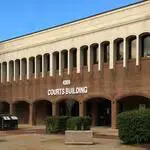 Adult misdemeanor alcohol charges in Henrico County are generally heard in the Henrico County General District Court. A case may begin with a Virginia Uniform Summons or an arrest depending on the offense and circumstances. The court process can involve an advisement or arraignment when applicable, review of the Commonwealth’s evidence, motions, negotiations, trial, and sentencing or another authorized disposition. Cases involving juveniles may proceed through the Henrico Juvenile and Domestic Relations District Court under Virginia juvenile procedures. The summons, warrant, petition, or other charging document should be reviewed to identify the exact offense, court, and scheduled hearing.
What to Send for a Henrico Alcohol Violation Case Review
Helpful materials may include:
- The summons, warrant, petition, or other charging document;
- The scheduled Henrico court date;
- The exact Virginia Code section charged;
- The accused’s age and date of birth when relevant;
- Driver’s-license information when the charge carries a potential license consequence;
- Any identification document involved in the allegation;
- Police or Virginia ABC paperwork;
- Receipts or transaction information;
- Photographs or video relating to the incident;
- Relevant text messages or electronic communications;
- Names and contact information for witnesses;
- Employment information when the allegation arose from a restaurant, store, or other workplace; and
- Other documents relating to the incident.
Potentially relevant photographs, videos, text messages, receipts, identification documents, payment records, and other evidence should be preserved in their original form and should not be altered or deleted.
Frequently Asked Questions About Alcohol Violations in Henrico County
What types of alcohol violations are crimes in Virginia?
Virginia law creates a number of alcohol-related offenses, including furnishing alcohol to certain prohibited persons, unlawful alcohol sales, drinking alcohol in a public place, public intoxication, underage possession or consumption, certain fake-ID conduct, and driving under age 21 after illegally consuming alcohol. The offense and potential punishment depend on the specific statute charged.
Is providing alcohol to someone under 21 a crime in Virginia?
Yes. Virginia Code § 4.1-306 generally prohibits purchasing for, giving, providing, or assisting in providing alcoholic beverages to someone when the accused knows or has reason to know that the person is under 21, subject to statutory exceptions.
What is the penalty for furnishing alcohol to a person under 21?
A violation of § 4.1-306 is a Class 1 misdemeanor. In addition to other punishment authorized by law, a conviction requires suspension of the person’s driver’s license for a period of not more than one year. Restricted driving privileges may be available under the statute.
Can a bartender or store clerk be charged for selling alcohol to someone under 21?
Yes. Virginia Code § 4.1-304 prohibits certain alcohol sales to people under 21 and other prohibited purchasers. The classification depends on the statutory subsection and circumstances, including whether the seller knew or had reason to believe the purchaser was under 21 and whether qualifying proof of age was required.
Is drinking alcohol in public illegal in Virginia?
Virginia Code § 4.1-308 generally makes taking a drink of alcohol or offering a drink to another in a public place a Class 4 misdemeanor. The statute contains exceptions for certain licensed or otherwise approved locations and events.
What is the penalty for public intoxication in Virginia?
Public intoxication under Virginia Code § 18.2-388 is a Class 4 misdemeanor. The Commonwealth must prove the statutory requirement that the accused was intoxicated in public.
Can using a fake ID to obtain alcohol result in criminal charges?
Yes. Virginia Code § 4.1-305 contains a provision addressing certain uses or attempted uses of false identification by a person under 21 for purposes related to consuming or purchasing alcohol. Other Virginia identification statutes may also apply depending on the type of identification and the conduct alleged.
What happens if someone under 21 drives after drinking alcohol?
Virginia Code § 18.2-266.1 creates a separate offense for a person younger than 21 who operates a motor vehicle after illegally consuming alcohol and has a qualifying chemical-test alcohol concentration of at least 0.02 but less than 0.08. The offense is a Class 1 misdemeanor and carries a one-year license forfeiture and a mandatory minimum $500 fine or 50 hours of community service.
Can a Virginia alcohol-related criminal record be sealed?
Potentially. Virginia’s record-sealing laws apply differently depending on the specific alcohol offense, disposition, offense date, criminal history, waiting period, and statutory eligibility requirements. Some alcohol offenses, including qualifying § 4.1-305 matters, can be eligible for petition-based sealing.
Where are alcohol violation charges heard in Henrico County?
Adult misdemeanor alcohol charges in Henrico County are generally heard in Henrico County General District Court. Cases involving juveniles may proceed through Henrico Juvenile and Domestic Relations District Court under Virginia juvenile procedures. The charging paperwork should be reviewed to confirm the court and hearing date.
Request a Confidential Henrico Alcohol Violation Case Review
If you have been charged with an alcohol-related offense in Henrico County, early review can help identify the precise statute, determine what the Commonwealth must prove, evaluate police or Virginia ABC evidence, and identify statutory, evidentiary, constitutional, or other defense issues that may affect the case. Riley & Wells Attorneys-At-Law represents clients facing furnishing-alcohol, prohibited-sale, public drinking, public intoxication, fake-ID, underage alcohol, and related criminal charges in Henrico County. Contact our attorneys for a confidential case review and include the name on the summons or warrant, the Henrico court date, the exact charge, and a copy or photograph of the available paperwork.
6/10/2021 | Updated 9/3/2026