
Top Rated Henrico County VA False Statement on Firearm Form Lawyer
 Millions of firearms are sold every year. Most guns are sold by firearm dealers. Firearm dealers are in the business of selling guns. These firearm transactions require ATF Form 4473 to be executed. If you wish to purchase a firearm from a gun dealer, then you will be required to fill out Section B of this form and sign the document. Important questions that pertain to felony convictions, mental capacity, protective orders, and domestic violence among others are asked on ATF Form 4473. Virginia SP Form 65 must also be executed when purchasing a firearm from a gun dealer. Willfully and intentionally making a materially false statement on this form is a felony pursuant to Va. Code § 18.2-308.2:2(K).
Put our experience to work for you – Let us review your case!
30,000+ Clients Represented
1500+ Client Reviews
60+ Years of Combined Experience
Experienced Defense Counsel for Henrico County VA Gun Form Cases
 Riley & Wells Attorneys-At-Law is an experienced local Henrico County VA criminal law defense firm with over 60 years of combined criminal law trial experience. Our lawyers know firearms law. We wrote the Virginia Gun Law book. Our attorneys routinely represent clients who have been accused of this offense in Henrico County VA. We are recognized as a “Best Law Firm” according to U.S. News & World Report. Our lawyers are regularly recognized for their superior legal ability and high ethical standards. Our firm has been reviewed more times than any other law firm that defends Henrico County VA firearm cases. You can benefit from our experience. Our goal is to secure each client the best possible outcome. We offer free consultations.
Henrico VA Defense Attorneys for Gun Application Mistakes


Gun Dealer Purchase Applications Investigated by VA State Police
 Virginia State Police form SP Form 65 must also be executed when purchasing a firearm from a licensed gun dealer. This form is very similar to ATF Form 4473. This form must be completed at the licensed business premises of the firearm dealer. The Virginia State Police Firearms Transaction Center is the entity that conducts firearm purchase background checks when gun dealers submit the required paperwork before a sale can be completed. The State Police background check for the purchase of a firearm includes the enforcement of both state and federal law. Prospective buyers receive one of three results: APPROVED, DELAYED, DENIED. There is a process to appeal a wrongful DENIED firearms transaction. State Troopers investigate firearms transaction form cases.
Representation for Richmond Gun Show Violations in Henrico VA
 Richmond Gun Shows are held at the Raceway and Brook Run Shopping Center. These venues are located in Henrico County. State Police is present at every firearms show to ensure that no firearm transaction violates the law. All gun show transactions with a firearms dealer will trigger an instant background check. A State Trooper is dispatched to investigate for law violations where the background check reveals making a false statement or other discrepancy between ATF Form 4473, Form SP-65, and the applicant’s criminal history. State Troopers along with Henrico police officers also patrol the parking lot looking for the straw purchasing of firearms. This involves someone who purchases a gun for someone who is prohibted from possessing a firearm.
Falsifying a Firearm Application in Henrico Requires A Great Defense
 The Firearms Transaction Record that must be completed when purchasing a firearm is commonly referredt to the background check form. Making any false statements on these forms during the purchase application on ATF Form 4473 or Form SP-65 will not only terminate the firearm purchase, but you will likely face criminal prosecution by the Henrico County Commonwealth Attorney’s Office for a felony. Question 21 on ATF Form 4473 generates the most confusion. Clients become shocked to learn they are being charged with a felony for making a paperwork accident on a confusing government form. Many find this excessive for a mistake. Contact an experienced Henrico VA firearms law attorney immediately if you find yourself in this situation.
False Statement on ATF Gun Application Form 4473 is Serious Business
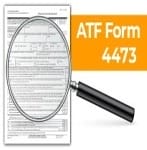 The federal Gun Control Act of 1934 created the Bureau of Alcohol, Tobacco, Firearms and Explosives (ATF) Form 4473. It is also called the Firearms Transaction Record. Making material false statements on firearm transaction forms violates both federal and state law. The Henrico County Commonwealth Attorney prosecutes cases of knowing and intentional lying on this firearms application form that occur in Henrico VA. The answers provided to questions on the firearms application for purchase ATF Form 4473 will be the backbone to the prosecution’s case. Our Henrico County VA firearms lawyers will be reviewing your statement on criminal history consent form for your answers on this form in great detail. [Click on Image for Copy of Form 4473]
Private Firearm Sales And ATF Firearm Application Form 4473
 Federal law and Virginia law prohibit the transfer or sale of a firearm to any prohibited person whether the sale or transfer is conducted by a federally licensed firearms dealer or a private citizen. The private sale or transfer of a firearm conducted in Virginia by Virginia residents is permissible but a background check must still be completed pursuant to Virginia law. According to Va Code 18.2-308.2:5, no person shall sell a firearm for money, goods, services or anything of value unless a successful background check has been conducted by a licensed gun dealer. This law mentions nothing about the gifting of a firearm during a private transaction requiring a background check. A violation is a Class 1 misdemeanor.
False Statement on Firearms Purchase Application Form Nolle Prosequi
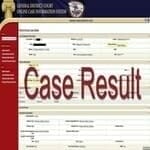 You are going to need to fill out certain paperwork if you are going to purchase a firearm in Henrico County. The answers to the questions on these forms are taken very seriously. Knowingly making any false statement is a felony. In this case, our client went to a gun show to purchase a firearm for personal protection. Problem: Our client incorrectly answered question 21 (d) on the ATF Form 4473 regarding his prior felony conviction. We found issues with the facts of the case and gathered the necessary evidence to convince the prosecutor to drop the charge. NOTE: Convincing the Court to dismiss this kind of case is extremely difficult. Click on Case Result Image for actual court record
Let us review your case. We can help!
5/25/2021 | Updated 4/14/2024